

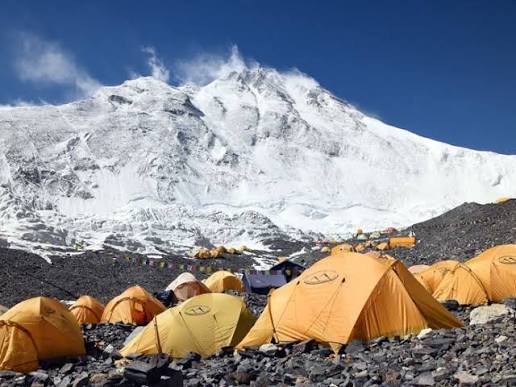
An Advanced Base Camp (ABC) is one of the most important components of a successful high-altitude mountaineering expedition. Positioned higher on a mountain than the main Base Camp, it acts as an operational hub where climbers prepare for summit attempts, store essential equipment, monitor weather conditions, and continue the acclimatization process. Establishing an Advanced Base Camp allows expedition teams to shorten the distance to higher camps while improving efficiency and safety. Whether climbing Mount Everest, Cho Oyu, or another challenging peak, an Advanced Base Camp plays a vital role in helping climbers adapt to harsh mountain environments and manage the physical demands of high-altitude exploration.
Modern mountaineering has evolved significantly over the past century, and Advanced Base Camps have become an essential part of well-organized expeditions. These camps provide more than just shelter—they serve as centers for planning, communication, medical support, and logistical coordination. Climbers spend days or even weeks at an ABC while preparing their bodies for thinner air and colder temperatures. Proper preparation at this stage can greatly improve the chances of reaching the summit safely. In this guide, you’ll learn what an Advanced Base Camp is, why it is important, how it is organized, and the equipment, skills, and safety measures required for a successful high-altitude expedition.
What Is an Advanced Base Camp?
An Advanced Base Camp is a temporary high-altitude campsite established above the primary Base Camp during major mountain expeditions. Unlike the lower Base Camp, which serves as the main logistical center, the Advanced Base Camp is positioned much closer to technical climbing routes and higher camps. This strategic location enables climbers to reduce travel time during summit attempts while allowing them to carry supplies, climbing equipment, and emergency resources closer to the mountain’s upper sections. The exact elevation of an Advanced Base Camp varies depending on the mountain, terrain, and expedition strategy, but it is always placed where teams can safely continue acclimatizing before moving higher.
The purpose of an Advanced Base Camp extends beyond simply providing a place to sleep. It functions as an operational headquarters where guides, climbers, and support staff coordinate daily activities. Weather forecasts are reviewed, climbing schedules are adjusted, equipment is inspected, and emergency plans are discussed. Medical personnel often monitor climbers for symptoms of altitude sickness, ensuring that everyone remains physically prepared for the challenges ahead. Because weather conditions can change rapidly in high-altitude environments, maintaining a well-organized Advanced Base Camp helps improve decision-making and reduces unnecessary risks during the expedition.
Advanced Base Camps also serve as important storage points for food, fuel, oxygen cylinders, climbing ropes, tents, and technical equipment. Supplies transported from the main Base Camp are carefully organized so that climbers have easy access to everything needed for the next stage of the climb. This efficient system minimizes the number of heavy loads carried over difficult terrain while ensuring that critical resources remain available whenever weather conditions allow a summit push. Proper planning at the Advanced Base Camp can significantly increase both safety and expedition success.
History and Evolution of Advanced Base Camps
The concept of establishing camps at progressively higher elevations has existed since the earliest organized mountaineering expeditions. During nineteenth-century alpine climbs, explorers quickly realized that carrying all equipment directly from the valley to the summit was physically exhausting and highly inefficient. As climbing techniques improved and expeditions targeted increasingly difficult peaks in the Himalayas and Karakoram, multiple camps became an essential part of expedition planning. The development of the Advanced Base Camp represented a major improvement in mountain logistics by providing a permanent operational center closer to technical climbing sections.
Some of the earliest Himalayan expeditions relied on simple camps with minimal equipment, but modern Advanced Base Camps are far more sophisticated. Improvements in lightweight tents, insulated sleeping systems, satellite communications, weather forecasting, portable medical equipment, and high-performance climbing gear have transformed the way expeditions operate. Today, many Advanced Base Camps include dedicated medical tents, communication centers, solar power systems, and carefully organized storage areas that support climbers throughout extended expeditions.
Famous mountains such as Mount Everest, Cho Oyu, and several other Himalayan peaks have well-established Advanced Base Camp locations that have become central to modern climbing strategies. Each expedition continues to build upon decades of experience gained by earlier mountaineers, combining traditional expedition techniques with modern technology to improve safety, efficiency, and environmental responsibility. As mountaineering continues to evolve, Advanced Base Camps remain one of the most valuable innovations in high-altitude expedition planning.
Why Advanced Base Camps Are Important
An Advanced Base Camp (ABC) is much more than a temporary campsite on a mountain. It serves as the operational center where climbers prepare for the most demanding stages of their expedition. Because it is positioned at a higher elevation than the main Base Camp, an ABC reduces the distance and energy required to reach higher camps or begin a summit attempt. This strategic location allows mountaineers to conserve valuable strength while transporting supplies and equipment closer to the climbing route. Every successful expedition depends on careful planning, and the Advanced Base Camp provides the ideal environment for organizing climbing schedules, checking weather forecasts, and making informed decisions before ascending further.
Another major advantage of an Advanced Base Camp is its role in acclimatization. At high altitudes, the human body needs time to adjust to lower oxygen levels. Spending several days at an ABC helps climbers gradually adapt, reducing the risk of altitude-related illnesses such as Acute Mountain Sickness (AMS), High Altitude Pulmonary Edema (HAPE), and High Altitude Cerebral Edema (HACE). Expedition leaders often organize acclimatization hikes from the Advanced Base Camp to higher elevations before returning to rest. This “climb high, sleep low” strategy improves the body’s ability to function efficiently in extreme mountain environments and greatly increases the chances of a safe and successful summit.
The Advanced Base Camp also acts as a communication and emergency response center. Satellite phones, radios, GPS devices, and weather-monitoring equipment are typically operated from the camp, allowing teams to stay connected with guides, support staff, rescue services, and lower camps. Medical personnel can evaluate climbers, treat minor injuries, and determine whether individuals are fit to continue climbing. Having these resources concentrated in one location improves coordination and allows expedition leaders to respond quickly to changing weather conditions or unexpected emergencies.
How an Advanced Base Camp Is Set Up
Selecting the right location is one of the most important steps when establishing an Advanced Base Camp. Expedition leaders carefully evaluate terrain stability, avalanche risk, access to climbing routes, and protection from severe weather before choosing a campsite. Whenever possible, the camp is placed on stable ground that offers reasonable shelter from strong winds while remaining close enough to higher climbing routes for efficient travel. Safety always takes priority, and experienced guides use years of mountain knowledge to identify locations that minimize unnecessary risks.
Once the location has been selected, the camp is organized into designated areas to improve efficiency and comfort. Sleeping tents are positioned to provide protection from prevailing winds, while separate tents may be used for cooking, dining, medical treatment, equipment storage, and communication. Keeping the camp organized allows climbers to locate supplies quickly and maintain a clean, safe environment throughout the expedition. Snow walls may also be built around tents to reduce wind exposure and improve insulation during harsh weather.
Managing food, water, and fuel is another critical aspect of camp setup. Water is often obtained by melting snow or ice using specialized stoves, while meals focus on providing high-calorie nutrition that supports strenuous physical activity. Fuel supplies must be carefully rationed because they are essential for cooking, producing drinking water, and maintaining warmth. Waste management is equally important, and responsible expeditions follow strict environmental guidelines to minimize their impact on fragile mountain ecosystems. Proper camp organization helps ensure both safety and sustainability during long expeditions.
Essential Equipment for an Advanced Base Camp
A successful Advanced Base Camp depends on reliable equipment capable of withstanding extreme mountain conditions. High-altitude expedition tents are specifically designed to resist powerful winds, heavy snowfall, and freezing temperatures while providing a safe shelter for climbers. High-quality sleeping bags rated for sub-zero temperatures, insulated sleeping pads, and layered clothing systems help maintain body heat and reduce the risk of hypothermia. Because weather can change rapidly, durable equipment is essential for protecting both climbers and valuable expedition supplies.
Technical climbing gear is another fundamental component of an Advanced Base Camp. Helmets, harnesses, ropes, crampons, ice axes, ascenders, carabiners, and protective clothing are carefully inspected before every climb. Oxygen systems may also be stored at the camp for expeditions involving extremely high elevations. Communication devices such as satellite phones, radios, GPS units, and emergency locator beacons allow teams to maintain contact with lower camps and coordinate rescue operations if necessary. Medical kits containing medications, first-aid supplies, and emergency oxygen provide additional protection against injuries and altitude-related illnesses.
Food and cooking equipment are equally important. Lightweight stoves, fuel canisters, cooking utensils, water purification systems, and high-energy foods enable climbers to maintain adequate nutrition throughout the expedition. Solar panels or portable battery systems are increasingly used to power communication devices and electronic equipment while reducing reliance on disposable batteries. By carefully selecting dependable equipment and maintaining it throughout the expedition, climbers improve their safety, comfort, and overall chances of reaching the summit successfully.
Acclimatization and Health at Advanced Base Camp
Living at an Advanced Base Camp (ABC) places significant demands on the human body because oxygen levels decrease dramatically with increasing altitude. Acclimatization is the natural process through which the body adjusts to these conditions by producing more red blood cells, improving breathing efficiency, and adapting to reduced oxygen availability. Climbers usually spend several days at an ABC before attempting higher camps, allowing their bodies to adjust gradually. Expedition leaders often follow the principle of “climb high, sleep low,” where climbers ascend to higher elevations during the day and return to the Advanced Base Camp to rest. This strategy has proven effective in reducing the risk of altitude-related illnesses while improving overall climbing performance.
Health monitoring is equally important throughout the expedition. Climbers should remain alert for symptoms of Acute Mountain Sickness (AMS), including headaches, nausea, dizziness, fatigue, and difficulty sleeping. More serious conditions, such as High Altitude Pulmonary Edema (HAPE) and High Altitude Cerebral Edema (HACE), require immediate descent and professional medical attention. Maintaining proper hydration, eating high-energy meals, getting adequate rest, and avoiding unnecessary physical strain all contribute to successful acclimatization. Regular health checks conducted by experienced guides or expedition doctors help identify problems early, allowing teams to make informed decisions that prioritize safety over speed.
Safety Tips for Living at an Advanced Base Camp
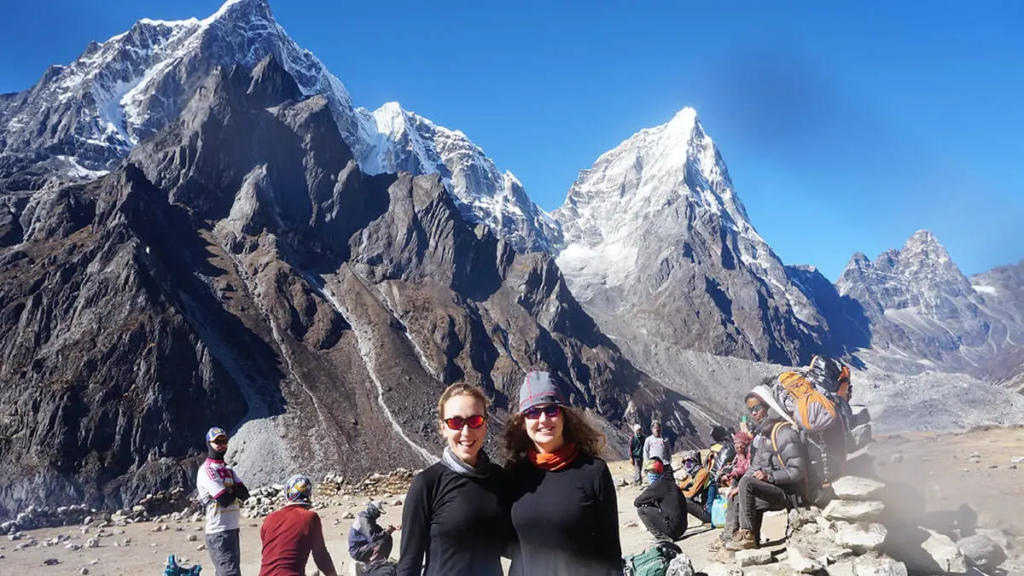
Safety is the foundation of every successful mountaineering expedition. Before leaving the Advanced Base Camp, climbers should carefully inspect their equipment, review weather forecasts, and discuss the day’s objectives with their team. Sudden storms, high winds, and heavy snowfall can transform safe routes into dangerous terrain within a short period. Understanding avalanche forecasts, recognizing unstable snow conditions, and following the guidance of experienced mountaineers greatly reduce unnecessary risks. Clear communication among team members ensures that everyone understands emergency procedures and can respond effectively if conditions change unexpectedly.
Environmental responsibility is another essential part of expedition safety. Climbers should follow internationally accepted Leave No Trace principles by properly disposing of waste, minimizing damage to fragile alpine ecosystems, and respecting local regulations. Emergency supplies, including first-aid kits, satellite communication devices, extra food, and emergency shelters, should always remain accessible. By combining thorough preparation with responsible environmental practices, climbers help protect both themselves and the mountain environment while preserving these remarkable landscapes for future generations.
Challenges of Staying at an Advanced Base Camp
Although an Advanced Base Camp offers many advantages, living at high altitude also presents numerous physical and logistical challenges. Cold temperatures, limited oxygen, strong winds, and rapidly changing weather conditions can affect both physical performance and mental well-being. Even routine tasks such as cooking, organizing equipment, or walking short distances require significantly more effort than they would at lower elevations. Fatigue accumulates quickly, making proper rest and nutrition essential for maintaining energy levels throughout the expedition.
Logistical challenges also play an important role. Food, fuel, medical supplies, climbing equipment, and communication devices must all be transported over difficult terrain, often by porters, pack animals, or specialized support teams. Equipment failures, unexpected storms, or route changes may delay climbing schedules and require flexible decision-making. Successful expeditions rely on teamwork, careful planning, and the ability to adapt to unpredictable mountain conditions while always placing safety above summit ambitions.
Tips for a Successful Advanced Base Camp Experience
Preparation begins long before arriving at the mountain. Climbers should develop cardiovascular fitness, muscular endurance, and technical climbing skills through regular training. Practicing with climbing equipment, improving navigation abilities, and participating in lower-altitude expeditions can build confidence and experience before attempting major peaks. Packing lightweight but reliable equipment helps reduce unnecessary strain while ensuring that essential supplies remain available throughout the expedition.
Mental preparation is just as important as physical fitness. Patience, discipline, and teamwork are critical qualities for anyone participating in a high-altitude expedition. Climbers should listen carefully to guides, respect acclimatization schedules, and avoid rushing toward the summit. Celebrating gradual progress, maintaining a positive attitude, and supporting fellow team members contribute to a safer and more enjoyable climbing experience. Remember that reaching the summit is only half the journey—returning safely is the true measure of a successful expedition.
Famous Advanced Base Camps Around the World
Several mountains are internationally recognized for their well-established Advanced Base Camps. Mount Everest’s North (Tibet) Advanced Base Camp, located at approximately 6,400 meters (21,000 feet), is one of the highest and most famous Advanced Base Camps in the world. It serves as the starting point for climbers following the northern route to Everest’s summit and supports weeks of acclimatization, training, and logistical preparation.
Other renowned mountains, including Cho Oyu, Shishapangma, and K2, also use strategically positioned camps to support climbers during their summit attempts. Each mountain presents unique terrain, weather patterns, and technical challenges, requiring customized expedition strategies. These Advanced Base Camps demonstrate how careful planning, experienced leadership, and modern equipment combine to improve both safety and success in some of the world’s most demanding climbing environments.
Conclusion
An Advanced Base Camp is one of the most important elements of any high-altitude mountaineering expedition. It provides climbers with a secure location for acclimatization, equipment storage, weather monitoring, medical support, and logistical coordination before moving to higher camps. By shortening travel distances and improving preparation, an ABC significantly increases both efficiency and safety during challenging mountain climbs.
Whether you dream of climbing Everest or simply want to understand how professional expeditions operate, learning about Advanced Base Camps offers valuable insight into the planning, discipline, and teamwork required for success. With proper preparation, quality equipment, responsible environmental practices, and respect for mountain conditions, climbers can safely pursue their goals while appreciating the extraordinary beauty and challenges of the world’s highest peaks.
Frequently Asked Questions
What is an Advanced Base Camp?
An Advanced Base Camp is a high-altitude operational camp located above the main Base Camp that supports acclimatization, logistics, and summit preparation.
How is an Advanced Base Camp different from a Base Camp?
A Base Camp serves as the main expedition headquarters, while an Advanced Base Camp is positioned closer to technical climbing routes and higher camps.
Why is acclimatization important at an Advanced Base Camp?
Acclimatization allows the body to adjust to lower oxygen levels, reducing the risk of altitude sickness and improving climbing performance.
What equipment is essential at an Advanced Base Camp?
Essential equipment includes high-altitude tents, insulated sleeping bags, climbing gear, communication devices, cooking equipment, first-aid supplies, and weather-resistant clothing.
How high is an Advanced Base Camp usually located?
The elevation varies depending on the mountain, but Advanced Base Camps are generally established several hundred to several thousand meters above the main Base Camp.
Who stays at an Advanced Base Camp?
Climbers, mountain guides, expedition leaders, medical personnel, and support staff typically stay at an Advanced Base Camp during high-altitude expeditions.
What are the biggest risks at an Advanced Base Camp?
Major risks include altitude sickness, severe weather, avalanches, rockfalls, extreme cold, and physical exhaustion.
Can beginners visit an Advanced Base Camp?
Some Advanced Base Camps are accessible to experienced trekkers with proper preparation, while others require advanced mountaineering skills and technical climbing experience.
You May Also Read: γερμανικοσ μολοσσοσ