

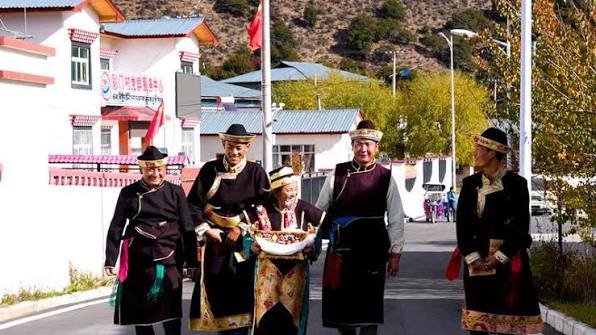
Kongpo is one of the most fascinating yet lesser-known regions of Tibet, offering visitors an extraordinary combination of breathtaking natural scenery, deep-rooted traditions, and centuries of cultural heritage. Located in the southeastern part of the Tibetan Plateau, Kongpo is celebrated for its lush forests, crystal-clear rivers, snow-capped mountains, and welcoming communities. Unlike many parts of Tibet that are known for vast grasslands and arid landscapes, Kongpo stands out because of its greener environment and relatively mild climate. This unique geographical setting has helped shape the area’s customs, architecture, agriculture, and way of life, making it an exceptional destination for travellers and history enthusiasts alike. Whether someone is interested in exploring untouched landscapes, learning about Tibetan culture, or discovering hidden historical treasures, Kongpo offers experiences that are both memorable and meaningful.
The growing interest in sustainable tourism has brought Kongpo into the spotlight as more travellers seek authentic destinations away from crowded attractions. The region combines natural beauty with a strong cultural identity, allowing visitors to witness traditional Tibetan lifestyles while enjoying remarkable scenery. Ancient monasteries, sacred mountains, colourful festivals, and picturesque villages provide countless opportunities for exploration and photography. Throughout this guide, readers will discover the history of Kongpo, its geographical importance, local traditions, famous attractions, and practical travel information. By understanding what makes Kongpo unique, travellers can better appreciate why this remarkable region has become one of Tibet’s most treasured hidden gems.
Where Is Kongpo Located?
Kongpo is situated in the southeastern section of the Tibet Autonomous Region of China, stretching across areas that are renowned for their dramatic landscapes and ecological diversity. The region lies along the middle reaches of the Yarlung Tsangpo River, one of Asia’s most significant waterways, and is surrounded by towering mountain ranges that contribute to its spectacular scenery. Compared with many other parts of Tibet, Kongpo enjoys a lower average elevation, creating a climate that supports dense forests, fertile valleys, and a wide variety of plant and animal species. This favourable environment has allowed local communities to develop agriculture alongside traditional Tibetan pastoral practices, giving Kongpo a distinctive identity within the broader Tibetan cultural landscape. Its strategic location has also made it an important crossroads for trade and cultural exchange throughout history.
The geographical diversity of Kongpo is one of its greatest attractions. Visitors can experience everything from alpine peaks and tranquil lakes to colourful forests and rushing rivers within a relatively compact area. Seasonal changes transform the landscape throughout the year, with spring bringing blooming flowers, summer offering lush greenery, autumn painting forests in brilliant shades of gold and red, and winter covering mountain summits with pristine snow. The region’s accessibility has gradually improved through modern transportation networks, although travel still requires careful planning because Tibet has specific entry regulations for international visitors. For those seeking a destination that combines dramatic natural beauty with rich cultural experiences, Kongpo represents an exceptional corner of Tibet where nature and tradition exist in remarkable harmony.
The History of Kongpo
The history of Kongpo stretches back thousands of years and reflects the rich cultural evolution of southeastern Tibet. Long before modern political boundaries were established, Kongpo was home to indigenous communities that adapted to the region’s fertile valleys, dense forests, and winding rivers. These early inhabitants developed farming, animal husbandry, and trade practices that allowed settlements to flourish despite the challenging mountain environment. Over time, Kongpo became an important cultural bridge between Central Tibet and neighbouring Himalayan regions, enabling the exchange of ideas, religious beliefs, and commercial goods. Ancient trade routes that crossed the area helped shape its identity, bringing merchants, monks, and travellers into contact with local communities. As a result, Kongpo gradually developed a distinctive regional culture while remaining deeply connected to the broader history of Tibet.
Historical records and Tibetan oral traditions suggest that Kongpo played a meaningful role during the expansion of the early Tibetan Empire in the seventh century. As powerful rulers unified different territories under a central authority, Kongpo became integrated into the growing kingdom while maintaining many of its local customs and traditions. The arrival of Tibetan Buddhism further transformed the region, leading to the construction of monasteries, temples, and sacred sites that became centres of education and spiritual practice. Buddhist scholars and monks travelled through Kongpo, spreading religious teachings while preserving ancient manuscripts and local folklore. Even today, many villages continue to celebrate traditions that originated centuries ago, reflecting the enduring influence of both indigenous heritage and Buddhist philosophy. This blend of historical development and cultural continuity makes Kongpo an essential region for understanding Tibet’s diverse past.
Throughout the medieval period, Kongpo continued to prosper because of its favourable geography and abundant natural resources. Fertile land supported agriculture, while forests supplied timber and medicinal plants that were highly valued throughout Tibet. Local communities cultivated barley, wheat, and other crops while raising yaks and other livestock suited to the mountainous terrain. Craftsmen produced traditional textiles, wood carvings, and handmade goods that were traded across neighbouring regions. Although political control over Tibet shifted during different historical periods, Kongpo preserved much of its regional identity through strong family traditions, religious institutions, and community leadership. Local festivals, oral storytelling, and traditional music became important ways of preserving history and passing cultural knowledge from one generation to the next.
Today, the historical legacy of Kongpo remains visible in its ancient monasteries, traditional villages, archaeological sites, and centuries-old customs. Visitors can explore historical landmarks that illustrate the region’s remarkable journey through time while experiencing a living culture that continues to honour its past. Restoration projects and cultural preservation initiatives have helped protect many historical sites, ensuring that future generations can appreciate Kongpo’s unique heritage. Modern tourism has also increased awareness of the region’s historical significance, encouraging both researchers and travellers to learn more about its contribution to Tibetan civilisation. By preserving its history while embracing responsible development, Kongpo continues to stand as one of Tibet’s most fascinating regions, where the stories of ancient kingdoms, spiritual traditions, and resilient communities remain deeply woven into everyday life.
The History of Kongpo
The history of Kongpo stretches back thousands of years and reflects the rich cultural evolution of southeastern Tibet. Long before modern political boundaries were established, Kongpo was home to indigenous communities that adapted to the region’s fertile valleys, dense forests, and winding rivers. These early inhabitants developed farming, animal husbandry, and trade practices that allowed settlements to flourish despite the challenging mountain environment. Over time, Kongpo became an important cultural bridge between Central Tibet and neighbouring Himalayan regions, enabling the exchange of ideas, religious beliefs, and commercial goods. Ancient trade routes that crossed the area helped shape its identity, bringing merchants, monks, and travellers into contact with local communities. As a result, Kongpo gradually developed a distinctive regional culture while remaining deeply connected to the broader history of Tibet.
Historical records and Tibetan oral traditions suggest that Kongpo played a meaningful role during the expansion of the early Tibetan Empire in the seventh century. As powerful rulers unified different territories under a central authority, Kongpo became integrated into the growing kingdom while maintaining many of its local customs and traditions. The arrival of Tibetan Buddhism further transformed the region, leading to the construction of monasteries, temples, and sacred sites that became centres of education and spiritual practice. Buddhist scholars and monks travelled through Kongpo, spreading religious teachings while preserving ancient manuscripts and local folklore. Even today, many villages continue to celebrate traditions that originated centuries ago, reflecting the enduring influence of both indigenous heritage and Buddhist philosophy. This blend of historical development and cultural continuity makes Kongpo an essential region for understanding Tibet’s diverse past.
Throughout the medieval period, Kongpo continued to prosper because of its favourable geography and abundant natural resources. Fertile land supported agriculture, while forests supplied timber and medicinal plants that were highly valued throughout Tibet. Local communities cultivated barley, wheat, and other crops while raising yaks and other livestock suited to the mountainous terrain. Craftsmen produced traditional textiles, wood carvings, and handmade goods that were traded across neighbouring regions. Although political control over Tibet shifted during different historical periods, Kongpo preserved much of its regional identity through strong family traditions, religious institutions, and community leadership. Local festivals, oral storytelling, and traditional music became important ways of preserving history and passing cultural knowledge from one generation to the next.
Today, the historical legacy of Kongpo remains visible in its ancient monasteries, traditional villages, archaeological sites, and centuries-old customs. Visitors can explore historical landmarks that illustrate the region’s remarkable journey through time while experiencing a living culture that continues to honour its past. Restoration projects and cultural preservation initiatives have helped protect many historical sites, ensuring that future generations can appreciate Kongpo’s unique heritage. Modern tourism has also increased awareness of the region’s historical significance, encouraging both researchers and travellers to learn more about its contribution to Tibetan civilisation. By preserving its history while embracing responsible development, Kongpo continues to stand as one of Tibet’s most fascinating regions, where the stories of ancient kingdoms, spiritual traditions, and resilient communities remain deeply woven into everyday life.
Wildlife and Biodiversity
Kongpo is recognised as one of the most biologically diverse regions in Tibet, thanks to its unique geography and favourable climate. Unlike the colder and drier areas of the Tibetan Plateau, Kongpo features dense forests, fertile valleys, alpine meadows, and fast-flowing rivers that provide habitats for a remarkable variety of wildlife. The region is home to numerous native mammals, birds, reptiles, and plant species, many of which are rarely found elsewhere in Tibet. Nature enthusiasts visiting Kongpo often encounter colourful pheasants, eagles soaring above mountain ridges, and a wide range of butterflies that thrive during the warmer months. The rich vegetation also supports larger mammals such as musk deer, Himalayan black bears, red pandas in suitable habitats, and several species of mountain goats that are well adapted to the rugged terrain. This impressive biodiversity has made Kongpo an increasingly important destination for wildlife observation and ecological research.
The forests of Kongpo are equally remarkable for their botanical diversity. Towering pine, fir, spruce, and cypress trees dominate the landscape, while rhododendrons bloom in spectacular colours during spring. Medicinal herbs have grown naturally in these mountains for centuries and continue to play an important role in traditional Tibetan medicine. Conservation efforts are becoming increasingly significant as authorities and local communities work together to preserve these valuable ecosystems from environmental pressures. Protected nature reserves help safeguard endangered species and maintain the delicate balance between tourism and environmental sustainability. Visitors are encouraged to follow responsible travel practices, including staying on designated trails, avoiding litter, and respecting wildlife habitats. These conservation initiatives ensure that Kongpo’s extraordinary biodiversity will remain protected for future generations while allowing travellers to experience one of Tibet’s richest natural environments.
Religion and Spiritual Importance
Religion has shaped the identity of Kongpo for centuries, with Tibetan Buddhism deeply influencing the region’s architecture, customs, festivals, and daily life. Ancient monasteries perched on hillsides and hidden within valleys continue to serve as centres of worship, education, and meditation. Colourful prayer flags flutter across mountain passes, while intricately carved mani stones and prayer wheels can be found throughout villages and pilgrimage routes. Many residents begin their day with prayers and religious rituals, reflecting the enduring importance of spiritual practice within local communities. The peaceful atmosphere surrounding temples and monasteries provides visitors with an opportunity to witness living traditions that have remained largely unchanged for generations. Religious ceremonies, often accompanied by traditional music and chanting, create unforgettable experiences that reveal the spiritual depth of Kongpo’s cultural heritage.
Several sacred sites throughout Kongpo attract pilgrims from across Tibet and neighbouring regions. These locations are believed to possess profound spiritual significance and are associated with revered Buddhist masters, ancient legends, and natural landmarks considered holy. Annual festivals bring communities together to celebrate important events in the Buddhist calendar through masked dances, processions, and communal prayers. Visitors who respectfully observe these celebrations gain valuable insight into Tibetan beliefs and cultural values. Monasteries also preserve priceless religious manuscripts, murals, sculptures, and historical artefacts that contribute to the region’s rich cultural legacy. By protecting these sacred places and continuing centuries-old traditions, Kongpo remains an important spiritual centre where faith, history, and daily life are closely connected.
Local Food and Cuisine
The cuisine of Kongpo reflects both the region’s natural environment and its agricultural traditions. Fertile valleys and a comparatively mild climate allow local farmers to cultivate barley, wheat, vegetables, and fruits that are less common in other parts of Tibet. These fresh ingredients are combined with dairy products, yak meat, and aromatic herbs to create nourishing meals suited to the mountainous environment. Butter tea remains one of the region’s most iconic beverages, offering warmth and energy while symbolising Tibetan hospitality. Tsampa, made from roasted barley flour, continues to be a dietary staple and is enjoyed alongside soups, stews, and traditional breads. Visitors often discover that Kongpo’s cuisine is slightly more varied than that of higher-altitude regions because of the greater availability of locally grown produce.
Dining in Kongpo also provides an opportunity to experience the warmth of local hospitality. Family-run guesthouses and traditional restaurants often prepare recipes that have been handed down through generations, allowing travellers to enjoy authentic flavours while learning about local culinary customs. Seasonal vegetables, wild mushrooms, and medicinal herbs frequently appear in regional dishes, highlighting the close relationship between food and nature. During festivals and special occasions, families prepare elaborate meals that bring communities together in celebration. Traditional desserts, dairy products, and locally brewed beverages also form part of these gatherings. Sampling Kongpo’s cuisine is more than simply enjoying delicious food; it offers visitors a deeper understanding of the region’s culture, agricultural heritage, and everyday life.
Economy and Daily Life
The economy of Kongpo has traditionally been built upon agriculture, animal husbandry, forestry, and small-scale trade. Fertile river valleys provide excellent conditions for cultivating crops such as barley, wheat, maize, and vegetables, while surrounding grasslands support the grazing of yaks, sheep, and cattle. Many households continue to rely on farming as their primary source of income, combining traditional knowledge with modern agricultural techniques to improve productivity. Local markets play an important role in daily life, allowing farmers and artisans to sell fresh produce, handmade textiles, carved wooden items, and traditional crafts. These economic activities not only sustain local communities but also preserve valuable cultural skills that have been practised for generations.
In recent years, tourism has become an increasingly important contributor to Kongpo’s economy. Improved infrastructure, better transport links, and growing international interest in Tibetan culture have encouraged more visitors to explore the region’s natural and historical attractions. Hotels, guesthouses, restaurants, and local tour operators now provide employment opportunities while supporting community development. At the same time, efforts are being made to promote sustainable tourism that protects the environment and respects local traditions. Education, healthcare, and public services have also improved, contributing to a higher quality of life for residents while maintaining the cultural character that makes Kongpo unique. This balance between economic progress and heritage preservation ensures that Kongpo continues to develop responsibly, offering benefits for both local communities and future visitors.
Best Time to Visit Kongpo

Choosing the right season to visit Kongpo can greatly enhance the overall travel experience. Although the region is beautiful throughout the year, spring and autumn are generally regarded as the best seasons for sightseeing and outdoor activities. During spring, the valleys come alive with colourful flowers, fresh greenery, and pleasant temperatures, making it an excellent time for hiking and photography. Rhododendron forests bloom in vibrant shades of pink, red, and white, while rivers flow strongly with melting mountain snow. Summer also offers lush landscapes and comfortable weather, although occasional rainfall can occur due to the region’s unique climate. Even so, the forests remain at their greenest, providing spectacular scenery for nature lovers.
Autumn transforms Kongpo into one of Tibet’s most colourful destinations, with forests displaying brilliant shades of gold, orange, and crimson. The clear skies provide outstanding visibility for mountain views, making this season particularly popular with photographers and travellers seeking breathtaking landscapes. Winter, while colder, offers a peaceful atmosphere with snow-covered peaks and fewer tourists, allowing visitors to enjoy a quieter experience. Regardless of the season, travellers should prepare for changing mountain weather by packing warm clothing, waterproof layers, and comfortable walking shoes. Careful planning ensures visitors can fully appreciate Kongpo’s remarkable natural beauty throughout the year.
How to Travel to Kongpo
Travelling to Kongpo requires thoughtful preparation, particularly for international visitors planning a journey through Tibet. Most travellers first arrive in major Chinese cities before continuing to Lhasa by air or rail. From Lhasa, Kongpo can be reached by road, offering one of the most scenic drives in the region. The journey passes through dramatic mountain landscapes, river valleys, forests, and traditional Tibetan villages, making the route itself an unforgettable part of the adventure. Comfortable vehicles and organised tours are commonly available, allowing visitors to travel safely while learning about the region from experienced local guides.
International travellers should also remember that visiting Tibet requires specific travel permits in addition to a valid visa for China. These permits are typically arranged through authorised travel agencies before arrival. Booking accommodation and transport in advance is strongly recommended, particularly during peak travel seasons. Visitors should also allow time to acclimatise to the high altitude before undertaking demanding activities. Carrying essential medications, drinking plenty of water, and travelling at a comfortable pace can help reduce the effects of altitude sickness. With proper planning and preparation, reaching Kongpo is a rewarding experience that opens the door to one of Tibet’s most extraordinary destinations.
Useful Travel Tips for First-Time Visitors
First-time visitors to Kongpo can enjoy a more meaningful journey by respecting local customs and understanding Tibetan traditions. Dressing modestly when visiting monasteries, asking permission before photographing local people, and behaving quietly in religious sites demonstrate cultural sensitivity and appreciation. Supporting locally owned guesthouses, restaurants, and craft markets also contributes directly to community development while providing authentic travel experiences. Learning a few simple Tibetan greetings can create positive interactions and show respect for local culture. Small gestures of courtesy often lead to memorable conversations and a deeper understanding of everyday life in Kongpo.
Health and safety should also be considered when exploring the region. Although Kongpo lies at a lower altitude than many parts of Tibet, visitors may still experience the effects of thinner air. Gradual acclimatisation, staying hydrated, and avoiding excessive physical activity during the first few days are sensible precautions. Travellers should carry sunscreen, sunglasses, and layered clothing because mountain weather can change quickly. Choosing environmentally responsible travel practices, such as avoiding single-use plastics and respecting protected natural areas, helps preserve Kongpo’s exceptional landscapes. Responsible tourism ensures that future generations can continue to experience the same beauty and cultural richness that make this destination so special.
Interesting Facts About Kongpo
Kongpo is full of fascinating facts that make it stand out from other regions of Tibet. It is widely recognised for its unusually lush environment, which contrasts sharply with the more barren landscapes often associated with the Tibetan Plateau. The region contains extensive forests, fertile farmland, and significant biodiversity, earning it a reputation as one of Tibet’s greenest areas. Kongpo is also closely connected with the mighty Yarlung Tsangpo River, whose dramatic canyon ranks among the deepest on Earth. These unique geographical characteristics have shaped the area’s culture, economy, and history for countless generations.
Another interesting aspect of Kongpo is its strong commitment to preserving traditional Tibetan culture. Many villages continue to maintain centuries-old customs, architectural styles, religious ceremonies, and artisanal crafts despite the influence of modern development. Local festivals remain vibrant community celebrations where visitors can witness traditional music, colourful costumes, and ancient dance performances. The combination of remarkable natural beauty, living cultural heritage, and historical importance has made Kongpo an increasingly attractive destination for researchers, photographers, and travellers seeking authentic experiences. Every journey through Kongpo reveals new stories, landscapes, and traditions that leave lasting impressions on those fortunate enough to visit.
Conclusion
Kongpo is far more than a scenic destination; it is a remarkable region where history, culture, spirituality, and nature come together in perfect harmony. From its ancient monasteries and traditional villages to its forests, rivers, and towering mountain landscapes, Kongpo offers experiences that reflect the enduring heritage of southeastern Tibet. Visitors have the opportunity to explore historical landmarks, participate in cultural traditions, admire exceptional biodiversity, and enjoy the warm hospitality of local communities. Every aspect of the region contributes to an authentic travel experience that is both educational and inspiring.
As interest in sustainable and meaningful travel continues to grow, Kongpo stands out as a destination that rewards curiosity and respect. Whether exploring sacred temples, hiking through colourful forests, tasting traditional Tibetan cuisine, or simply enjoying breathtaking views, travellers discover a place unlike any other. By preserving its cultural identity while embracing responsible tourism, Kongpo continues to captivate visitors from around the world. Anyone seeking to experience one of Tibet’s most extraordinary and lesser-known regions will find that Kongpo offers unforgettable memories and a deeper appreciation of the rich traditions and natural beauty of the Himalayas.
FAQs
What is Kongpo famous for?
Kongpo is famous for its lush forests, spectacular mountain scenery, Tibetan culture, ancient monasteries, and beautiful attractions such as Basum Tso Lake and the Yarlung Tsangpo Grand Canyon.
Where is Kongpo located?
Kongpo is located in the southeastern part of the Tibet Autonomous Region, known for its fertile valleys, rivers, and diverse natural landscapes.
Is Kongpo worth visiting?
Yes. Kongpo is an excellent destination for travellers interested in nature, Tibetan culture, history, photography, and peaceful mountain scenery.
What is the best time to visit Kongpo?
Spring and autumn are generally considered the best seasons due to pleasant weather, colourful landscapes, and ideal sightseeing conditions.
Do travellers need a permit to visit Kongpo?
Yes. International visitors typically require a Tibet Travel Permit in addition to the appropriate visa before travelling to the region.
What are the top attractions in Kongpo?
Popular attractions include Basum Tso Lake, the Yarlung Tsangpo Grand Canyon, Lulang Forest, ancient monasteries, scenic mountain passes, and traditional Tibetan villages.
What language is spoken in Kongpo?
Tibetan is the primary language spoken in Kongpo, although Mandarin Chinese is also commonly used in many public and commercial settings.
What food is Kongpo known for?
Kongpo is known for butter tea, tsampa, yak dishes, fresh vegetables, barley-based meals, and traditional Tibetan cuisine prepared with locally sourced ingredients.
How many days are recommended for exploring Kongpo?
A stay of five to seven days is recommended to experience the region’s major attractions, cultural sites, natural landscapes, and local traditions.
Is Kongpo suitable for family travel?
Yes. Families can enjoy scenic drives, cultural experiences, peaceful villages, and outdoor activities while learning about the unique heritage and natural beauty of the region.
You May Also Read: Advanced Base Camp