

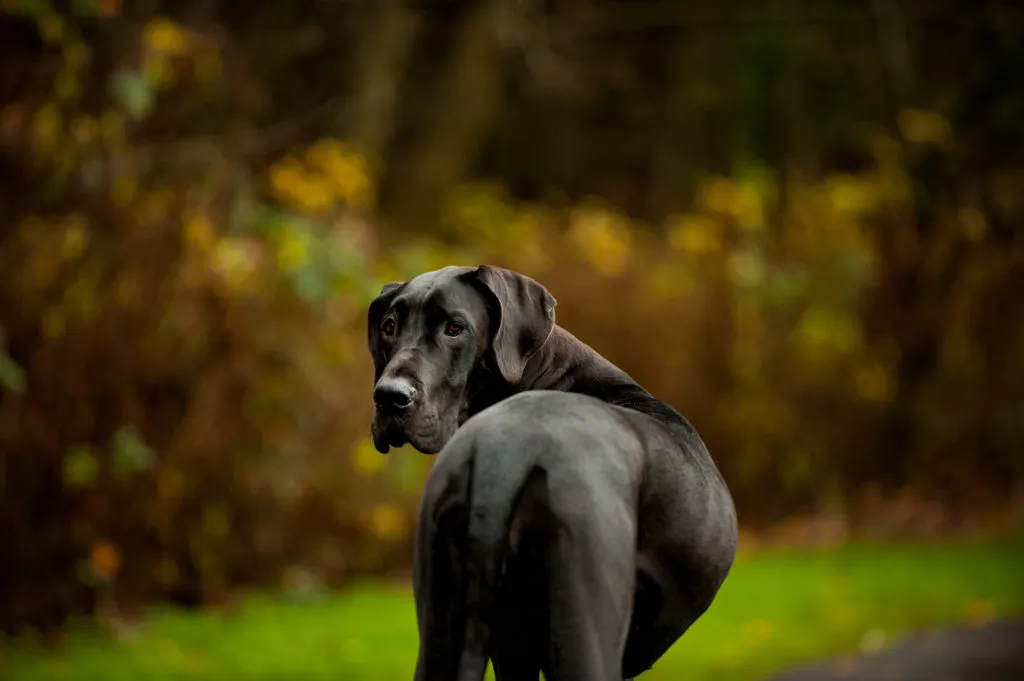
The term γερμανικοσ μολοσσοσ is commonly used in Greek to refer to the Great Dane, one of the world’s most impressive and recognizable dog breeds. Despite its enormous size and powerful appearance, the Great Dane is often called the “gentle giant” because of its calm, affectionate, and loyal personality. Originally developed in Germany, this breed has earned a reputation for being an excellent family companion, reliable guardian, and intelligent working dog. Whether living in a spacious home or serving as a devoted companion, the Great Dane continues to win the hearts of dog lovers around the world.
Choosing a giant breed requires careful planning and a thorough understanding of its needs. Great Danes require proper nutrition, regular veterinary care, consistent training, and enough space to move comfortably. Their friendly temperament makes them wonderful companions for experienced owners who are prepared for the responsibilities that come with caring for such a large dog. This guide explores the breed’s fascinating history, physical characteristics, personality, care requirements, and practical advice for both new and experienced owners.
What Is γερμανικοσ μολοσσοσ?
The γερμανικοσ μολοσσοσ, commonly understood as the Great Dane, belongs to the working group of dog breeds and is famous for its exceptional height, elegant appearance, and balanced temperament. Although many people are initially impressed by the breed’s massive size, experienced owners know that Great Danes are among the most affectionate and people-oriented dogs. They develop strong emotional bonds with their families and usually enjoy spending time indoors despite their athletic abilities. Their combination of strength, patience, and gentle behavior makes them unique among giant breeds.
Historically, Great Danes were bred in Germany to assist hunters in tracking and holding large game such as wild boar. Over time, selective breeding gradually transformed them into dependable companion dogs while preserving their courage, intelligence, and alertness. Modern Great Danes are no longer used primarily for hunting, but they continue to display confidence, loyalty, and natural protective instincts. Their calm behavior and willingness to learn have also made them suitable for obedience training, therapy work, and family life.
Physically, the breed is characterized by long legs, a muscular body, a deep chest, and an elegant head with expressive eyes. Adult males often stand over 30 inches (76 cm) at the shoulder, while females are only slightly smaller. Despite their imposing appearance, Great Danes are typically friendly toward strangers when properly socialized and are known for their patient attitude toward children. Their impressive size combined with their gentle personality is one of the reasons why they remain one of the most admired giant dog breeds worldwide.
History and Origin of γερμανικοσ μολοσσοσ
The history of the γερμανικοσ μολοσσοσ, commonly associated with the Great Dane, dates back several centuries. The breed’s ancestors were powerful mastiff-type dogs that were used throughout Europe for hunting large and dangerous game. German nobles and hunters valued these dogs for their courage, strength, and ability to confront wild boar, which was considered one of the most challenging animals to hunt. Over time, breeders focused on improving the dogs’ temperament while maintaining their impressive physical abilities. This careful breeding process eventually produced the elegant and gentle giant recognized today as the Great Dane.
During the nineteenth century, German breeders worked to standardize the breed’s appearance and personality. Rather than emphasizing aggression, they selected dogs that displayed intelligence, loyalty, confidence, and calm behavior. These efforts transformed the breed from a specialized hunting companion into a versatile family dog that could also serve as a reliable guardian. Dog clubs established official breed standards, helping maintain consistency in size, structure, and temperament. As international dog shows became more popular, the Great Dane quickly gained worldwide recognition for its graceful appearance and noble character.
The breed’s popularity expanded beyond Germany as families, breeders, and dog enthusiasts discovered its unique combination of elegance and friendliness. Today, Great Danes are found in many countries and participate in various activities, including obedience competitions, therapy programs, and canine sporting events. Although their role has changed significantly over the centuries, they continue to represent strength, loyalty, and gentle companionship. Their remarkable history demonstrates how responsible breeding can preserve valuable working qualities while creating an affectionate companion suitable for modern family life.
Physical Characteristics
One of the defining features of the γερμανικοσ μολοσσοσ is its extraordinary size. Great Danes are among the tallest dog breeds in the world, with adult males often exceeding 30 inches (76 centimeters) in height at the shoulder. Their bodies are muscular yet well-proportioned, giving them an appearance that combines power with elegance. Despite their massive frame, they move with surprising grace and athleticism. Their long legs, deep chest, strong neck, and balanced body structure contribute to their impressive presence while allowing efficient movement during exercise and daily activities.
The breed comes in several officially recognized coat colors, including fawn, brindle, blue, black, harlequin, and mantle. Their short, smooth coat is relatively easy to maintain compared with many long-haired breeds. Regular brushing helps remove loose hair, keeps the coat healthy, and allows owners to monitor the dog’s skin for any signs of irritation or injury. Routine grooming also provides an opportunity to strengthen the bond between owner and dog while ensuring the animal remains comfortable throughout the year.
In addition to their striking appearance, Great Danes are known for their expressive eyes, long muzzle, and naturally alert facial expression. Their large ears may be left natural or cropped in regions where the practice is legal, although natural ears have become increasingly common. Because giant breeds grow rapidly during puppyhood, proper nutrition and controlled exercise are essential to support healthy bone and joint development. Maintaining an appropriate body weight helps reduce unnecessary stress on the dog’s joints and contributes to better long-term health and mobility.
Temperament and Personality
Although their impressive size can seem intimidating, the γερμανικοσ μολοσσοσ is widely admired for its calm, affectionate, and friendly personality. Great Danes are often called “gentle giants” because they enjoy spending time with their families and typically seek close human companionship. They are known for their patience, making them excellent companions for households where they receive proper training, supervision, and socialization. Their affectionate nature often leads them to behave like lap dogs despite their enormous size.
Great Danes are intelligent dogs that respond well to positive reinforcement and consistent training methods. They learn commands quickly when rewarded with praise, treats, and encouragement rather than harsh corrections. Early socialization plays a vital role in helping puppies become confident adults who are comfortable around people, children, other dogs, and unfamiliar environments. Exposure to different situations during puppyhood helps reduce fearfulness and encourages balanced behavior throughout adulthood.
While naturally friendly, Great Danes remain alert and protective of their families. They are unlikely to display unnecessary aggression, but their size alone often discourages unwanted visitors. When raised in a loving environment with clear boundaries, they develop into dependable companions who balance confidence with gentleness. Their loyalty, intelligence, and calm temperament continue to make them one of the most respected giant breeds for families seeking both companionship and a reassuring sense of security.
Training and Socialization
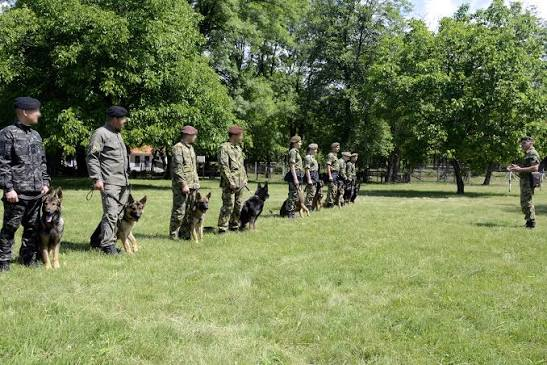
Training should begin as early as possible for the γερμανικοσ μολοσσοσ because a well-trained giant dog is much easier to manage than an adult that has never learned proper manners. Great Dane puppies grow rapidly during their first year, making it essential to establish good habits from the beginning. Basic commands such as “sit,” “stay,” “come,” and “heel” should be introduced using positive reinforcement techniques. Reward-based training encourages cooperation, strengthens the bond between owner and dog, and builds confidence without creating fear or anxiety.
Socialization is equally important during puppyhood. Introducing a young Great Dane to different people, environments, sounds, and other animals helps develop a calm and confident adult dog. Visits to parks, pet-friendly locations, and supervised puppy training classes provide valuable learning experiences. Because of their large size, teaching polite behavior such as not jumping on people or pulling on the leash is especially important. Consistent training sessions combined with patience and encouragement will help create a well-mannered companion that behaves appropriately in a variety of situations.
Diet and Nutrition
Proper nutrition is one of the most important aspects of caring for a γερμανικοσ μολοσσοσ. Giant breeds require a carefully balanced diet that supports healthy muscle development while protecting bones and joints during periods of rapid growth. High-quality commercial dog food formulated for large or giant breeds is generally recommended because it contains appropriate levels of protein, calcium, phosphorus, vitamins, and essential minerals. Feeding an unbalanced diet or providing excessive calories may contribute to unhealthy growth rates and increase the risk of orthopedic problems later in life.
Adult Great Danes should be fed according to their age, activity level, and body condition. Dividing meals into two or three portions throughout the day can help reduce digestive discomfort and may lower the risk of gastric dilatation-volvulus (commonly known as bloat), a serious condition that affects many deep-chested breeds. Fresh drinking water should always be available, and treats should be given in moderation. Regular consultation with a veterinarian ensures that dietary adjustments can be made as the dog ages or develops specific health needs.
Grooming and Daily Care
Despite their impressive size, Great Danes have relatively simple grooming requirements. Their short, smooth coat only needs weekly brushing to remove loose hair and maintain a healthy shine. Bathing is usually required only when the dog becomes dirty or develops an odor, although regular cleaning of the ears, trimming of the nails, and brushing of the teeth should become part of the normal care routine. These simple grooming practices help prevent infections, improve comfort, and contribute to the dog’s overall well-being.
Daily exercise is also essential for maintaining good physical and mental health. Moderate walks, supervised play sessions, and opportunities to explore safely fenced areas help keep the dog active without placing excessive strain on developing joints. Puppies should avoid intense running or repetitive jumping until their bones have fully matured. Providing comfortable bedding, regular veterinary checkups, and plenty of family interaction ensures that the Great Dane remains healthy, happy, and emotionally secure throughout its life.
Common Health Issues
Like many giant breeds, the γερμανικοσ μολοσσοσ can be prone to certain inherited and age-related health conditions. Hip dysplasia, elbow dysplasia, heart disease, thyroid disorders, and joint problems are among the conditions that responsible breeders attempt to minimize through health screening programs. Prospective owners should always obtain puppies from reputable breeders who perform recommended health testing on their breeding dogs.
One of the most serious health concerns affecting Great Danes is gastric dilatation-volvulus (GDV), commonly known as bloat. This life-threatening condition requires immediate emergency veterinary treatment. Owners should learn to recognize the warning signs, including abdominal swelling, unsuccessful attempts to vomit, restlessness, and excessive drooling. Preventive measures, regular veterinary examinations, proper nutrition, and maintaining a healthy body weight all contribute to a longer, healthier life for this remarkable breed.
Pros and Cons of Owning γερμανικοσ μολοσσοσ
Owning a Great Dane offers many rewards. The breed is affectionate, loyal, intelligent, and generally excellent with family members when properly trained and socialized. Their calm temperament makes them enjoyable companions, while their impressive appearance naturally provides a sense of security. Great Danes often adapt well to indoor living as long as they receive sufficient daily exercise and regular interaction with their owners.
However, potential owners should also understand the responsibilities involved. Giant breeds require larger food budgets, spacious living environments, higher veterinary expenses, and specialized equipment such as oversized beds, collars, and crates. Their relatively shorter lifespan compared with smaller breeds can also be emotionally challenging. Families prepared for these commitments are often rewarded with years of companionship from one of the most gentle and devoted dogs in the canine world.
Conclusion
The γερμανικοσ μολοσσοσ, commonly understood as the Great Dane, combines remarkable size with an exceptionally gentle personality. From its origins as a powerful hunting dog in Germany to its modern role as a loving family companion, the breed has earned worldwide admiration for its intelligence, loyalty, and elegant appearance. With proper training, balanced nutrition, regular veterinary care, and responsible ownership, Great Danes can thrive in homes that understand their unique needs.
Choosing a giant breed is a long-term commitment that requires careful planning, patience, and dedication. Owners who invest time in training, socialization, and daily care will enjoy a loyal companion that offers affection, protection, and lasting friendship. Whether admired for its history, graceful appearance, or kind nature, the Great Dane continues to stand among the world’s most respected and beloved dog breeds.
Frequently Asked Questions
What does γερμανικοσ μολοσσοσ refer to?
The term is commonly used in Greek to refer to the Great Dane, a giant dog breed originally developed in Germany.
Is the Great Dane a good family dog?
Yes. Great Danes are generally affectionate, patient, and loyal, making them excellent family companions when properly trained and socialized.
How much exercise does a Great Dane need?
Most healthy adult Great Danes benefit from moderate daily exercise, including walks and supervised play.
Are Great Danes easy to train?
Yes. They are intelligent and respond well to positive reinforcement, consistency, and early socialization.
How often should a Great Dane be groomed?
Weekly brushing and routine nail, ear, and dental care are usually sufficient because the breed has a short, low-maintenance coat.
What is the average lifespan of a Great Dane?
Great Danes typically live between 7 and 10 years, although some may live longer with excellent care and regular veterinary attention.
What health problems are common in Great Danes?
Common concerns include hip dysplasia, heart disease, thyroid disorders, and gastric dilatation-volvulus (bloat).
Is a Great Dane suitable for first-time owners?
A Great Dane can be suitable for dedicated first-time owners who are prepared for the breed’s size, training needs, and ongoing care requirements.
You May Also Read: lucipara