

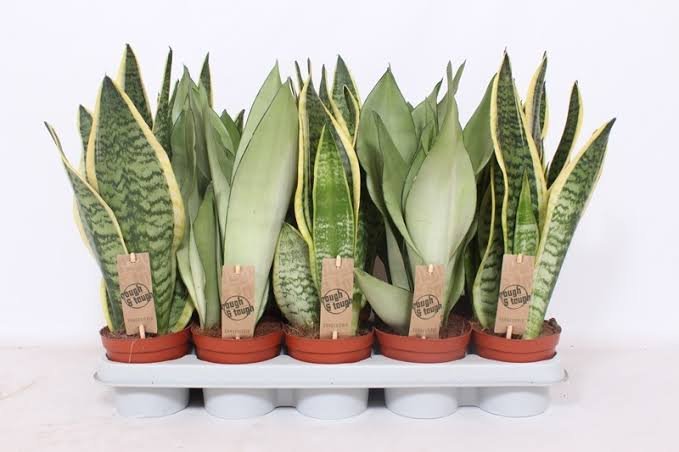
Trifasciata Sansevieria is one of the most admired houseplants in the world, valued for its striking appearance, remarkable durability, and minimal care requirements. Often recognised by its upright sword-shaped leaves, this evergreen plant adds style and greenery to homes, offices, and commercial spaces. Whether you are new to gardening or an experienced plant enthusiast, this versatile species offers beauty without demanding constant attention.
Although the plant is now scientifically classified as Dracaena trifasciata, many gardeners, nurseries, and plant lovers continue to use the traditional name q. It is also widely known as the Snake Plant or Mother-in-Law’s Tongue. This guide explores everything you need to know, including its care requirements, benefits, propagation methods, popular varieties, and practical maintenance tips to help your plant thrive.
What Is Trifasciata Sansevieria?
Trifasciata Sansevieria is an evergreen perennial native to tropical regions of West Africa. It belongs to the Asparagaceae family and has earned a reputation as one of the easiest indoor plants to grow. Its tall, stiff leaves feature beautiful green markings that create an elegant appearance, making it suitable for both modern and traditional interior spaces.
The name Dracaena trifasciata was officially adopted following botanical reclassification, yet many people still search for Trifasciata Sansevieria because it remains familiar worldwide. Regardless of the name used, both refer to the same resilient plant. Understanding this naming difference helps gardeners identify accurate care advice while shopping for plants or reading gardening resources.
Plant Characteristics
The most distinctive feature of Trifasciata Sansevieria is its long, upright foliage with attractive grey-green bands running across each leaf. Some varieties also display bright yellow or creamy margins, adding extra visual interest. The plant grows from underground rhizomes, allowing it to spread naturally and produce new shoots over time.
Unlike many decorative houseplants, Trifasciata Sansevieria grows at a steady pace without becoming difficult to manage. Mature plants can reach impressive heights depending on the variety, while dwarf cultivars remain compact and perfect for smaller rooms. Its architectural shape makes it an excellent statement plant in any indoor setting.
Trifasciata Sansevieria Care Guide
One reason Trifasciata Sansevieria remains popular is its simple care routine. The plant thrives in bright, indirect sunlight but also adapts well to lower light conditions, making it ideal for offices, hallways, and bedrooms. However, prolonged exposure to intense afternoon sunshine may cause leaf damage, so filtered light often produces the healthiest growth.
Watering correctly is the key to maintaining a healthy plant. Always allow the compost to dry completely before watering again because excessive moisture can lead to root rot. During colder months, the plant requires even less water. Following a careful watering schedule encourages strong roots and attractive foliage throughout the year.
Soil, Temperature And Fertiliser
Well-draining soil is essential for healthy Trifasciata Sansevieria growth. A cactus or succulent compost mixed with additional perlite or coarse sand provides excellent drainage while preventing water from collecting around the roots. Containers should always include drainage holes to reduce the risk of overwatering and fungal diseases.
This hardy houseplant performs best in warm indoor temperatures and average household humidity. Feeding with a balanced liquid fertiliser every few weeks during spring and summer supports healthy growth, while fertilising should be reduced during autumn and winter when the plant naturally grows more slowly.
Benefits Of Trifasciata Sansevieria
Trifasciata Sansevieria is widely appreciated because it requires very little maintenance compared with many other indoor plants. Busy homeowners, students, and office workers often choose it because it tolerates occasional neglect while continuing to look healthy and attractive. This combination of resilience and beauty makes it an excellent beginner-friendly plant.
Another important advantage is its decorative value. The plant complements contemporary interiors, traditional homes, and professional workplaces with equal success. Many people also appreciate its reputation as an air-purifying plant, making it a popular choice for improving the appearance and atmosphere of indoor environments.
Propagation Methods
Propagating Trifasciata Sansevieria is an enjoyable way to expand your collection without purchasing additional plants. One common method involves taking healthy leaf cuttings and placing them into moist compost or water until roots begin to develop. Patience is important because successful rooting may take several weeks.
Division is another reliable propagation method and is often quicker than leaf cuttings. Mature plants naturally produce new shoots connected by underground rhizomes. Carefully separating these sections during repotting allows each division to grow independently while maintaining the characteristics of the original parent plant.
Popular Varieties
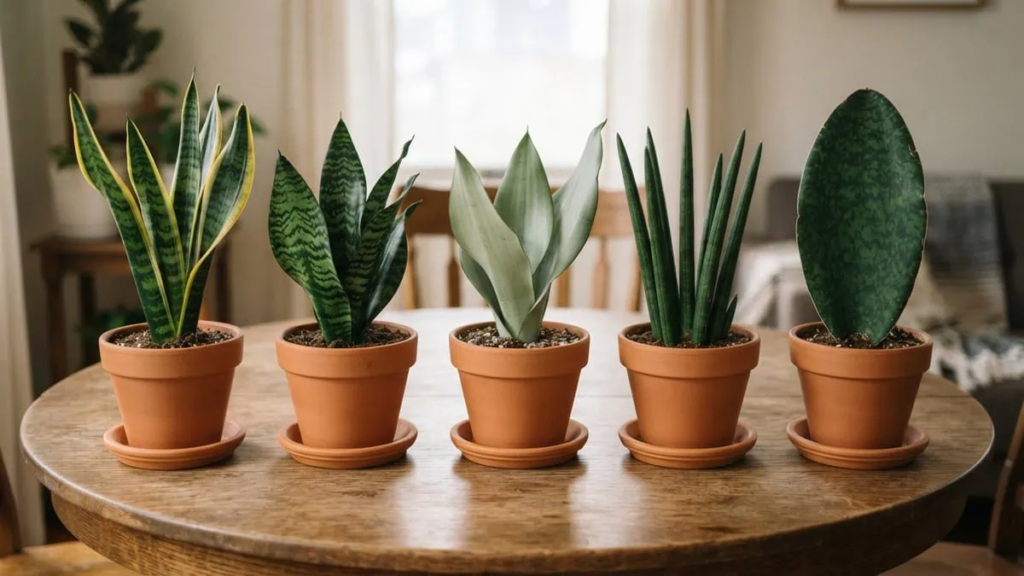
Several attractive varieties of Trifasciata Sansevieria are available, each offering unique colours and growth habits. Laurentii remains one of the best-known selections because of its dark green leaves bordered by striking golden-yellow edges. This variety creates an eye-catching display in almost any room.
Other popular choices include Hahnii, which forms a compact bird’s nest shape, Moonshine with its elegant silvery foliage, and Zeylanica featuring distinctive green patterns. Choosing different varieties allows gardeners to enjoy a diverse collection while benefiting from the same easy-care qualities shared by all Trifasciata Sansevieria plants.
Common Problems And Solutions
Although Trifasciata Sansevieria is exceptionally hardy, problems occasionally develop when growing conditions become unsuitable. Yellowing leaves often indicate excessive watering, while soft leaves usually suggest root rot caused by consistently wet compost. Adjusting watering habits quickly prevents further damage and encourages healthy recovery.
Pests such as spider mites, mealybugs, and scale insects can occasionally appear, especially in warm indoor environments. Regularly inspecting the leaves and gently cleaning them helps identify problems before they become severe. Healthy plants grown under suitable conditions generally resist pests far better than stressed specimens.
Repotting And Long-Term Maintenance
Trifasciata Sansevieria only requires repotting when its roots become crowded or begin pushing against the container. Selecting a slightly larger pot with fresh, well-draining compost encourages continued growth while avoiding unnecessary excess moisture around the root system. Repotting every few years is usually sufficient.
Routine maintenance is straightforward and requires little effort. Wiping dust from the leaves improves their appearance and allows better light absorption, while removing damaged foliage keeps the plant looking fresh. These simple tasks contribute to stronger growth and help maintain an attractive indoor display throughout the year.
Conclusion
Trifasciata Sansevieria remains one of the finest indoor plants because it combines elegance, resilience, and simplicity in a single species. Its impressive foliage, adaptability, and low-maintenance nature make it suitable for beginners as well as experienced gardeners seeking reliable indoor greenery that performs well in various conditions.
Whether you know it as Trifasciata Sansevieria, Snake Plant, Mother-in-Law’s Tongue, or Dracaena trifasciata, this remarkable plant offers lasting beauty with minimal care. By providing suitable light, careful watering, and well-draining soil, you can enjoy healthy growth for many years while enhancing the appearance of your living or working space.
Frequently Asked Questions
What is Trifasciata Sansevieria?
Trifasciata Sansevieria is a popular evergreen houseplant also known as the Snake Plant or Dracaena trifasciata.
How often should I water Trifasciata Sansevieria?
Water only when the soil has completely dried, as overwatering is the most common cause of problems.
Does Trifasciata Sansevieria need direct sunlight?
No. It grows best in bright, indirect light but can also tolerate lower light conditions indoors.
How can I propagate Trifasciata Sansevieria?
You can propagate it through leaf cuttings or by dividing mature plants during repotting.
Is Trifasciata Sansevieria suitable for beginners?
Yes. Its hardy nature and low-maintenance care make it one of the best houseplants for beginners.
You May Also Read: Ext Ext