


A Special Improvement District is an organised area where businesses, property owners and local stakeholders collaborate to create improvements that benefit the wider community. These districts are designed to provide additional services and investment beyond the standard responsibilities of local authorities. By creating a shared funding system, communities can focus on specific challenges and opportunities while improving the appearance, safety and economic performance of a particular location.
Across the UK, local areas are increasingly exploring improvement district models to support town centres, commercial zones and mixed-use communities. A Special Improvement District allows those who directly benefit from improvements to have a role in deciding how funds are used. This collaborative approach helps create cleaner streets, stronger business environments and more attractive places for residents, workers and visitors.
What Is a Special Improvement District?
A Special Improvement District is a clearly defined geographical area where property owners or businesses agree to provide additional financial contributions for improvements within that district. These funds are collected and invested into projects that are specifically designed to enhance the local environment, support businesses and improve community experiences.
Unlike traditional council services, a Special Improvement District focuses on extra activities that go beyond basic public maintenance. These may include enhanced security, additional cleaning services, promotional campaigns, public events and improvements to shared spaces. The main aim is to create a stronger, more successful area through local cooperation and targeted investment.
How Does a Special Improvement District Work?
The process of creating a Special Improvement District usually begins when local businesses, property owners or community representatives identify opportunities for improvement. They develop plans that outline the district’s goals, proposed projects and expected benefits. Once the required approvals and agreements are achieved, the district can begin operating with a clear strategy.
A Special Improvement District is often managed by an independent organisation, such as a non-profit board or local partnership group. This management team oversees funding, selects projects and measures progress to ensure that investments deliver positive results. Transparency is an important part of the process because contributors need confidence that their financial support is creating real improvements.
Funding and Financial Structure of Special Improvement Districts
Funding is one of the most important elements of a Special Improvement District. The money usually comes from additional assessments or contributions made by businesses and property owners located within the designated area. These payments create a dedicated budget that can be used for projects chosen by local stakeholders.
The financial structure of a Special Improvement District allows communities to focus resources on their own priorities. Funds may support activities such as street cleaning, safety programmes, marketing campaigns, landscaping projects and infrastructure improvements. Because the investment remains within the district, contributors can directly see how their support helps improve the surrounding area.
Benefits of Special Improvement Districts for Businesses and Communities
A Special Improvement District can provide significant advantages for businesses by creating a more attractive and competitive environment. Improved cleanliness, better security and effective marketing activities can encourage more visitors, increase customer confidence and strengthen the reputation of local commercial areas. These improvements can help businesses attract new opportunities and build stronger connections with customers.
Communities also benefit from the positive changes created by a Special Improvement District. Residents and visitors may experience safer streets, improved public spaces and more engaging local events. When businesses, councils and communities work together, improvement districts can create a stronger sense of identity while supporting long-term economic and social development.
Common Services Provided by Special Improvement Districts
The services offered through a Special Improvement District depend on the needs and priorities of each area. Many districts provide additional cleaning programmes to maintain attractive streets and public spaces. Others focus on safety initiatives, including additional security measures and support programmes that help create a welcoming atmosphere.
Marketing and promotion are also common features of a Special Improvement District. Local organisations may organise events, seasonal campaigns and community activities to attract visitors and increase awareness of the area. Some districts also invest in improvements such as better lighting, street furniture, public art and environmental projects that enhance the overall appearance of the location.
Special Improvement Districts Compared with Business Improvement Districts
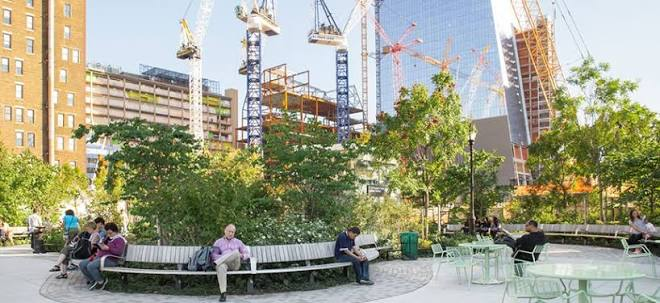
A Special Improvement District and a Business Improvement District share many similarities because both models encourage local investment and cooperation. They involve businesses or property owners contributing funds to support improvements in a specific area. Both approaches aim to strengthen local economies, improve public spaces and create better experiences for people using the district.
The difference between these terms often depends on local legislation and regional preferences. In many areas, the term Business Improvement District is commonly used, while some locations use Special Improvement District to describe similar programmes. Regardless of the terminology, the main goal remains the same: bringing stakeholders together to create positive change.
Challenges and Considerations of Special Improvement Districts
Although a Special Improvement District can provide many benefits, establishing and managing one may involve challenges. Some property owners or businesses may have concerns about additional financial contributions or may have different opinions about which projects should receive priority. Successful districts require strong communication, careful planning and cooperation between all involved parties.
Another important consideration is maintaining long-term support and measuring results. A Special Improvement District must demonstrate that its projects are creating value for contributors and the wider community. Regular reporting, clear objectives and responsible financial management help maintain trust and ensure continued success over time.
The Future Role of Special Improvement Districts in Local Development
As towns and cities continue to search for new ways to encourage investment and improve public spaces, Special Improvement District models are likely to remain valuable. These districts provide a practical method for combining private funding, community involvement and local development goals. They can support regeneration projects and help areas adapt to changing economic conditions.
The future success of a Special Improvement District depends on collaboration between businesses, residents, councils and community organisations. When managed effectively, these districts can create sustainable improvements that benefit multiple groups. Their ability to respond to local needs makes them an important tool for building stronger and more attractive communities.
Conclusion
A Special Improvement District offers a powerful approach for improving local areas through cooperation and shared investment. By allowing businesses and property owners to contribute towards targeted projects, these districts can deliver additional services that enhance everyday experiences for communities and visitors.
From cleaner streets and improved safety to stronger business environments and economic growth, Special Improvement District programmes provide many valuable opportunities. With effective planning, transparent management and community support, they can continue helping towns and cities create vibrant, successful and sustainable places for the future.
Frequently Asked Questions
What is a Special Improvement District?
A Special Improvement District is an area where businesses and property owners fund additional services and improvements to enhance the local community.
Who pays for a Special Improvement District?
Funding usually comes from contributions or assessments paid by businesses and property owners within the district.
What services do Special Improvement Districts provide?
They commonly support cleaning, security, marketing, events and public space improvement projects.
How does a Special Improvement District benefit businesses?
It helps create a better business environment by attracting visitors, improving safety and increasing local area appeal.
Is a Special Improvement District the same as a BID?
They are similar models, but the name and structure can vary depending on local laws and regional practices.
You May Also Read: Plaster of Plaster