

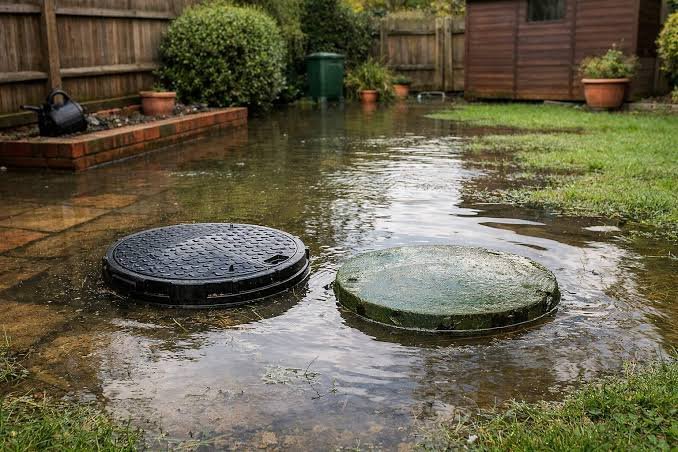
A septic tank is an important wastewater management solution used by many homes and properties that are not connected to the main sewer network. Across rural parts of the UK, farms, cottages and remote properties often depend on septic systems to collect, separate and treat household wastewater safely. These underground systems provide an effective way to manage sewage while reducing reliance on large public treatment facilities.
Understanding how a septic tank operates is essential for homeowners because correct usage, regular maintenance and professional servicing can significantly improve system performance. A well-maintained septic tank helps prevent unpleasant odours, drainage issues and environmental concerns. Learning about installation requirements, running costs and legal responsibilities allows property owners to make informed decisions about their wastewater systems.
What Is a Septic Tank and How Does It Work?
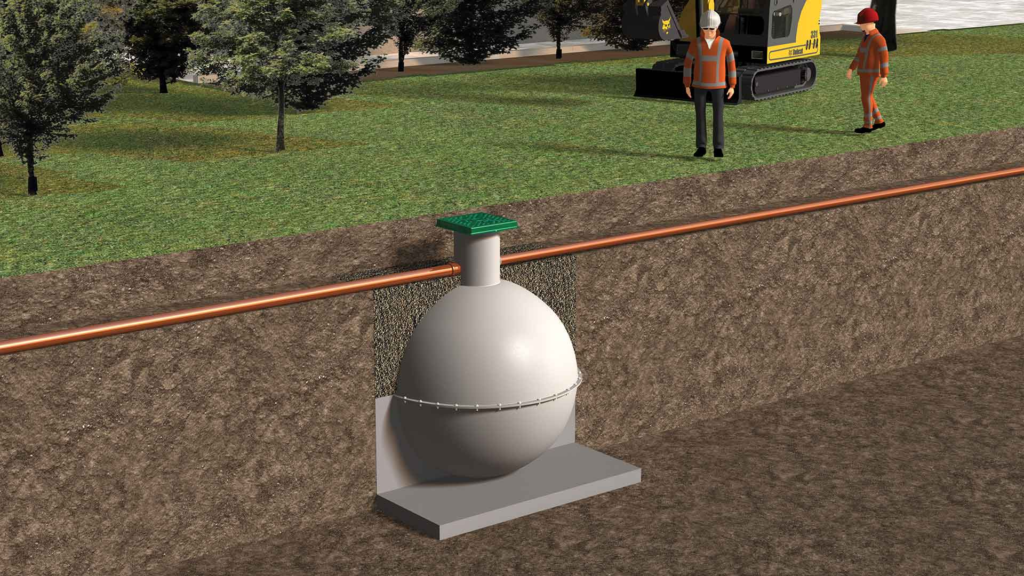
A septic tank is an underground chamber designed to receive wastewater from toilets, sinks, showers and household drains. The tank is usually constructed from durable materials such as concrete, plastic or fibreglass, allowing it to safely store and process wastewater before it moves into the surrounding drainage system. It is especially useful for properties located away from traditional sewer connections.
The working process of a septic tank involves several natural treatment stages. When wastewater enters the tank, heavy solids sink to the bottom and create a sludge layer, while lighter materials such as oils and grease rise to form a scum layer. Naturally occurring bacteria then break down organic waste, leaving a clearer liquid known as effluent, which moves into a drainage field for further filtration.
Different Types of Septic Tanks Available in the UK
There are several types of septic tank systems available in the UK, and choosing the right option depends on property size, wastewater production and installation conditions. Traditional septic tanks remain widely used because they offer a simple design and reliable performance. They are suitable for many rural homes where a properly designed drainage field is available.
Modern septic tanks are manufactured using different materials, including plastic, fibreglass and reinforced concrete. Plastic tanks are lightweight and often easier to transport and install, while concrete models provide excellent strength and durability. Fibreglass systems offer corrosion resistance and long-term reliability. Selecting the correct type of septic tank ensures better efficiency and helps reduce future maintenance requirements.
Septic Tank Installation Process
Installing a septic tank requires careful preparation and professional expertise to ensure safe and effective operation. Before installation begins, specialists usually assess the property location, soil conditions, groundwater levels and available space. These checks help determine the most suitable tank size and drainage solution for the building’s wastewater needs.
The installation process normally includes excavation, placing the underground tank, connecting inlet and outlet pipes and creating a suitable drainage field. Proper positioning is essential because incorrect installation can lead to leaks, poor drainage and environmental problems. Professional installation also helps property owners meet UK regulations and ensures that the septic tank performs efficiently for many years.
Septic Tank Costs in the UK
The cost of a septic tank system can vary depending on several important factors, including tank size, material, ground conditions and installation complexity. Smaller domestic systems generally have lower costs, while larger properties or commercial buildings may require bigger tanks and more advanced wastewater solutions. Planning the budget carefully helps avoid unexpected expenses.
Alongside the initial installation cost, homeowners should consider ongoing expenses such as septic tank emptying, inspections, repairs and replacement parts. Regular servicing may seem like an additional cost, but it can prevent expensive damage and extend the life of the system. Understanding both installation and maintenance costs allows property owners to manage their investment effectively.
Septic Tank Maintenance and Cleaning Guide
Regular maintenance is one of the most important responsibilities for anyone who owns a septic tank. Over time, sludge and solid waste naturally build up inside the chamber and require professional emptying. Without proper servicing, the system may become overloaded, causing slow drainage, unpleasant smells or wastewater backups.
Good maintenance practices can help a septic tank operate efficiently for decades. Homeowners should avoid flushing unsuitable materials such as wet wipes, nappies, chemicals, cooking oils and non-biodegradable products. These items can interfere with bacterial activity and create blockages. Regular inspections, responsible water usage and professional cleaning schedules are essential for keeping the system in excellent condition.
UK Septic Tank Regulations and Legal Requirements
Septic tank owners in the UK must follow environmental regulations designed to protect waterways, soil quality and public health. These rules ensure that wastewater is treated properly before it enters the environment. Property owners are responsible for maintaining their systems and ensuring that wastewater discharge meets current legal requirements.
Understanding septic tank regulations is particularly important when buying or selling a property with an existing system. Owners should check that their tank, drainage field and discharge arrangements comply with government guidance. Following legal requirements not only protects the environment but also helps avoid potential penalties and costly system improvements in the future.
Common Septic Tank Problems and Solutions
Although septic tanks are designed to provide reliable wastewater treatment, problems can occur when systems are poorly maintained or incorrectly used. Common issues include blocked pipes, unpleasant odours, overflowing tanks, slow drains and drainage field failures. These warning signs often indicate that the system requires inspection or professional attention.
Many septic tank problems can be avoided through regular maintenance and responsible household habits. Monitoring water usage, avoiding harmful substances and arranging professional servicing can reduce the risk of major failures. If problems continue, qualified specialists can identify the cause and recommend repairs, cleaning or system upgrades to restore proper performance.
Choosing the Right Septic Tank for Your Property
Choosing the correct septic tank depends on several factors, including the number of people living in the property, daily water consumption and available installation space. A system that is too small may struggle with wastewater levels, while an oversized tank could result in unnecessary costs. Proper assessment helps determine the best solution.
Professional advice is valuable when selecting a septic tank because experts understand local conditions, regulations and technical requirements. The right system provides reliable wastewater treatment, reduces maintenance problems and improves long-term efficiency. Investing time in choosing the correct design can save money and prevent difficulties in the future.
Environmental Benefits of a Well-Maintained Septic Tank
A properly maintained septic tank contributes to environmental protection by treating wastewater before it reaches surrounding land and water sources. These systems help reduce pollution risks by separating solids and allowing natural processes to filter treated liquid safely. This makes them a valuable option for properties in areas without access to mains drainage.
Responsible septic tank ownership supports sustainable living by encouraging careful water management and environmentally friendly practices. When systems are correctly installed and maintained, they can provide a reliable wastewater solution while protecting local ecosystems. Regular servicing, safe usage and compliance with regulations ensure that septic systems continue benefiting both properties and the environment.
Conclusion
A septic tank is a practical and efficient wastewater solution for many UK properties, particularly those located in rural and remote areas. Understanding how these systems work, selecting the correct design and following proper maintenance routines are essential for achieving long-lasting performance.
From installation and costs to cleaning and legal responsibilities, every aspect of septic tank ownership plays an important role in system reliability. With professional installation, regular care and responsible usage, a septic tank can provide safe and effective wastewater management for many years while protecting the surrounding environment.
Frequently Asked Questions
What is a septic tank?
A septic tank is an underground wastewater treatment system that collects and separates household waste before releasing treated liquid into a drainage field.
How does a septic tank work?
A septic tank separates solids, liquids and floating waste while bacteria naturally break down organic materials inside the tank.
How often should a septic tank be emptied?
Most septic tanks should be professionally emptied every one to three years, depending on usage and tank size.
How much does a septic tank cost in the UK?
The cost depends on the tank type, size, installation requirements and ongoing maintenance needs.
Are septic tanks legal in the UK?
Yes, septic tanks are legal in the UK, but they must follow environmental regulations and proper discharge requirements.
You May Also Read: Prestons Rd