

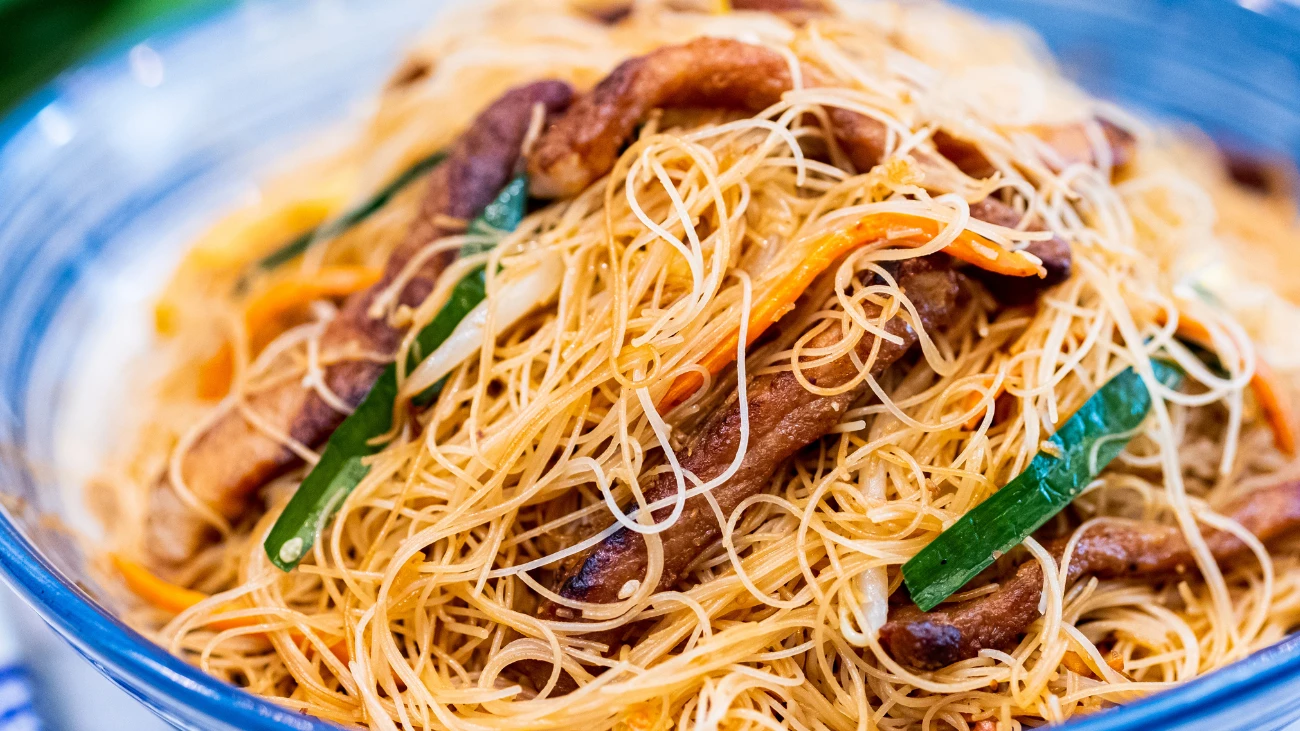
Mei Fun is a beloved rice noodle dish that has earned a strong place in Asian cuisine and international dining culture. Known for its light texture, quick cooking process, and ability to absorb bold flavors, Mei Fun has become a go-to meal for people who enjoy comforting yet not overly heavy noodle dishes. Whether served in restaurants or cooked at home, it offers a satisfying balance of taste and simplicity that appeals to a wide audience.
One of the reasons Mei Fun stands out is its versatility. It can be prepared with a variety of ingredients such as chicken, shrimp, beef, tofu, or a mix of fresh vegetables. This flexibility makes it suitable for different dietary preferences, including vegetarian and protein-rich diets. Unlike heavier wheat-based noodles, Mei Fun uses thin rice vermicelli, which gives it a delicate texture and makes it easier to digest.
In this guide, we will explore everything about Mei’Fun, including its ingredients, cultural origins, popular variations, cooking methods, and nutritional value. You will also learn why this dish has become a favorite in both traditional Asian kitchens and modern fusion restaurants around the world.
What Is Mei Fun?
Mei Fun refers to thin rice vermicelli noodles commonly used in Chinese and Southeast Asian cooking. These noodles are made from rice flour and water, giving them a light, slightly chewy texture. They are often used in stir-fried dishes or served in soups, depending on regional cooking styles. The neutral flavor of the noodles allows them to absorb sauces and spices effectively, making them incredibly versatile in different recipes.
The basic ingredients used in Mei’Fun include rice noodles, a protein source, vegetables, and seasoning. Common proteins include chicken, shrimp, pork, or tofu, while vegetables such as carrots, cabbage, bean sprouts, and green onions are frequently added. Seasonings like soy sauce, oyster sauce, garlic, ginger, and sesame oil bring depth and richness to the dish. The combination of these ingredients creates a balanced meal that is both flavorful and satisfying.
Cooking Mei Fun typically involves a stir-frying method using high heat. This technique ensures that the noodles remain light and do not become soggy. The ingredients are usually cooked separately before being combined, allowing each component to maintain its texture and flavor. The final dish is often slightly smoky due to the high-heat wok cooking method, which is a signature feature of many Asian noodle dishes.
Origins and Cultural Background of Mei Fun
Mei Fun has its roots in traditional Chinese cuisine, particularly in southern regions where rice-based dishes are more common than wheat-based ones. Rice vermicelli noodles have been used in Chinese cooking for centuries, valued for their simplicity, affordability, and adaptability. Over time, these noodles became a staple ingredient in both home cooking and street food culture.
As Chinese cuisine spread across Asia and beyond, Mei’Fun evolved into various regional and international versions. In Southeast Asia, similar rice noodle dishes are found in countries like Thailand, Vietnam, and Malaysia, each with its own unique seasoning and preparation style. In Western countries, especially the United States, Mei’Fun became popular through Chinese-American restaurants, where it was adapted to suit local tastes.
Today, Mei Fun is recognized as part of global fusion cuisine. It appears in restaurants worldwide, often customized with different proteins, spice levels, and vegetable combinations. Despite these variations, the dish maintains its core identity as a light, flavorful rice noodle meal rooted in traditional Chinese culinary practices.
Culturally, Mei’Fun represents simplicity and balance in cooking. It is often associated with quick meals, family gatherings, and street food traditions. Its adaptability has allowed it to remain relevant across generations and cultures.
Popular Types and Variations of Mei Fun
One of the most popular variations of Mei Fun is Singapore Mei’Fun. Despite its name, this dish is not originally from Singapore but was created in Chinese restaurants. It is known for its bold, spicy flavor and distinctive yellow color, which comes from curry powder. Typically, it includes shrimp, eggs, vegetables, and sometimes pork, making it a flavorful and aromatic dish.
Chicken or shrimp Mei Fun is another widely enjoyed version. This variation focuses on a single protein, making it simple yet satisfying. Chicken Mei’Fun offers a mild, savory taste, while shrimp Mei Fun adds a slightly sweet and seafood-rich flavor. Both versions are commonly found in restaurants and are popular choices for quick meals.
Vegetable Mei’Fun is a vegetarian-friendly option that replaces meat with fresh vegetables and tofu. This version is light, healthy, and packed with nutrients. It often includes ingredients like bell peppers, carrots, bean sprouts, and mushrooms. The seasoning remains similar, ensuring that the dish stays flavorful even without meat.
House special Mei’Fun is a mixed variation that combines multiple proteins such as chicken, shrimp, and pork along with vegetables. This version is often considered the most indulgent, offering a rich combination of flavors and textures. It is commonly featured as a signature dish in many restaurants.
How to Cook Mei Fun at Home
Cooking Mei Fun at home is relatively simple and requires only a few essential steps. The first step is preparing the rice noodles. They are usually soaked in warm water until they become soft but not mushy. Proper preparation is important because over-soaking can cause the noodles to break during cooking.
Next, the proteins and vegetables are cooked separately. This step ensures that each ingredient retains its texture and flavor. Garlic, ginger, and onions are often sautéed first to build a flavorful base. Then, the protein is added and cooked thoroughly before vegetables are introduced.
The final step involves stir-frying everything together at high heat. The soaked noodles are added to the wok along with sauces such as soy sauce and sesame oil. Tossing the ingredients quickly ensures even coating and prevents sticking. The result is a flavorful, well-balanced dish with a slightly smoky aroma.
Common mistakes when cooking Mei’Fun include overcooking the noodles, using too much sauce, or not preparing ingredients in advance. Proper timing and heat control are key to achieving the perfect texture.
Nutritional Value of Mei Fun
Mei Fun is generally considered a moderate-calorie dish, depending on the ingredients used. Rice noodles are primarily a source of carbohydrates, providing energy without being too heavy. The nutritional value increases when proteins like chicken or shrimp and vegetables are added.
A standard serving of Mei Fun typically contains carbohydrates, protein, and small amounts of fat. Vegetable-based versions are lower in calories and higher in fiber, making them a healthier option. Using less oil and sodium can further improve its nutritional profile.
Compared to wheat-based noodle dishes, Mei’Fun is often easier to digest due to its rice content. This makes it a suitable option for individuals looking for lighter meal choices.
Why Mei Fun Is So Popular
Mei Fun’s popularity comes from its simplicity, versatility, and flavor. It can be prepared quickly, making it ideal for busy lifestyles. The dish also adapts well to different ingredients, allowing people to customize it based on personal preference.
Its light texture makes it enjoyable without feeling overly heavy, while its ability to absorb sauces ensures rich flavor in every bite. These qualities have helped Mei Fun become a staple in both Asian cuisine and international dining.
Conclusion
Mei Fun is more than just a rice noodle dish—it is a versatile culinary creation that bridges traditional Asian cooking with modern global tastes. Its simple ingredients, quick preparation, and adaptable nature make it a favorite among home cooks and restaurant chefs alike.
From spicy Singapore Mei’Fun to light vegetable versions, this dish offers something for everyone. Its cultural roots and global popularity demonstrate how food can evolve while still maintaining its core identity. Whether enjoyed as a quick meal or a flavorful dinner, Mei’Fun continues to remain a timeless and satisfying choice.
FAQs
What is Mei Fun made of?
Mei Fun is made from thin rice vermicelli noodles combined with vegetables, proteins, and sauces.
Is Mei Fun the same as chow mein?
No, Mei Fun uses rice noodles while chow mein uses wheat noodles.
Is Mei Fun healthy?
It can be healthy depending on ingredients and cooking method.
What does Mei Fun taste like?
It has a light, savory flavor with a soft, slightly chewy texture.
Can Mei Fun be vegetarian?
Yes, it can be made with vegetables and tofu.
What is Singapore Mei Fun?
It is a spicy curry-flavored variation of Mei Fun.
How long does it take to cook Mei Fun?
It usually takes 10–20 minutes to prepare.
What is the best protein for Mei Fun?
Chicken, shrimp, pork, and tofu are commonly used options.
You May Also Read: Fun Fact