

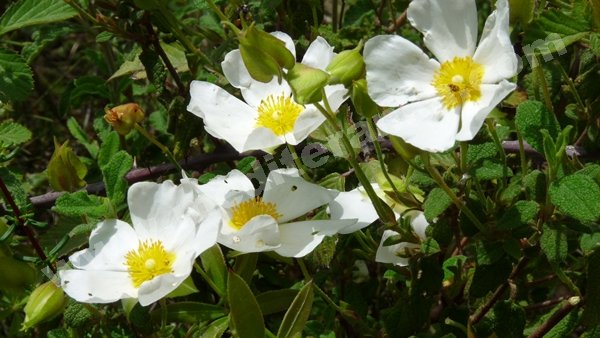
Bušin is a remarkable Mediterranean evergreen plant that has attracted attention because of its unique appearance, traditional uses and natural properties. Also known as a Cistus plant or rock rose, Bušin belongs to the Cistaceae family and grows naturally in dry, rocky environments across Mediterranean regions. Its ability to survive harsh conditions while producing delicate flowers makes it an important part of natural landscapes and traditional botanical knowledge.
For centuries, Bušin has been valued in local communities for its connection with herbal practices, aromatherapy and natural wellness. The plant has been used in different forms, including herbal teas, essential oils and traditional preparations. Today, interest in Bušin continues to grow as more people explore Mediterranean plants, sustainable gardening and natural products inspired by ancient botanical traditions.
The Botanical Background and Origin of Bušin
Bušin is a member of the Cistus genus, which includes several species of flowering shrubs found mainly in Mediterranean climates. These plants are recognised for their evergreen leaves, colourful flowers and ability to grow successfully in dry and challenging environments. The natural habitat of Bušin includes coastal regions, rocky hillsides and areas with limited rainfall where many other plants struggle to survive.
The strength of Bušin comes from its impressive adaptation to Mediterranean conditions. Its deep roots, strong structure and drought-resistant nature allow it to remain healthy during hot and dry seasons. This natural durability has made Bušin an important plant for ecological studies, native gardens and conservation projects focused on preserving Mediterranean vegetation.
Different Types and Varieties of Bušin Plants
There are many varieties of Bušin, each offering different characteristics that make them valuable in nature and traditional use. White Bušin, scientifically known as Cistus salviifolius, is recognised by its beautiful white flowers and compact growth. This variety is commonly found in Mediterranean landscapes and contributes to the visual beauty of wild plant areas.
Another important variety is sticky Bušin, known scientifically as Cistus monspeliensis. This plant features narrow leaves with a slightly sticky texture and produces attractive white flowers. Pink or grey-leaved Bušin, including Cistus incanus and Cistus creticus, is another well-known type that has gained popularity because of its aromatic qualities and traditional herbal associations.
Medicinal Benefits and Traditional Uses of Bušin
Bušin has a long history of traditional use in Mediterranean herbal practices. Local communities have used different parts of the plant because of its natural compounds and aromatic characteristics. Traditionally, Bušin has been associated with herbal preparations designed to support general wellness, making it an interesting subject for those interested in natural remedies.
Modern attention towards Bušin comes from its rich composition of plant compounds, including polyphenols and antioxidants. These natural elements have encouraged further interest in botanical research and wellness products. While traditional knowledge highlights many uses, it is always important to understand that herbal products should be used responsibly and with appropriate professional advice.
Bušin Tea and Traditional Herbal Preparation
Bušin tea is one of the most recognised traditional uses of this Mediterranean plant. The tea is usually prepared by steeping dried leaves in hot water, allowing the natural aroma and plant compounds to create a soothing herbal drink. Many people appreciate its unique flavour and connection with traditional Mediterranean lifestyles.
The popularity of Bušin tea has increased among people interested in natural beverages and herbal traditions. It represents a simple way to experience the characteristics of the plant while following traditional preparation methods. However, responsible consumption and awareness of individual health needs remain important when adding herbal drinks to daily routines.
Bušin Essential Oil and Aromatherapy Applications
Bušin essential oil is highly valued in the world of aromatherapy and natural cosmetics. Extracted from certain Cistus varieties, the oil has a distinctive warm and earthy fragrance that makes it popular in perfumes, skincare products and relaxation blends. Its unique aroma has helped it become a sought-after ingredient in natural wellness industries.
In aromatherapy, Bušin essential oil is appreciated for its calming fragrance and traditional applications. Many natural product makers include Cistus oil in specialised blends because of its botanical qualities and Mediterranean origin. When using essential oils, proper dilution and safe application methods are important to ensure a positive experience.
Growing and Caring for Bušin Plants
Growing Bušin can be a rewarding experience for gardeners who appreciate Mediterranean plants and low-maintenance landscaping. The plant prefers sunny areas with well-drained soil and performs best in conditions similar to its natural rocky habitats. Because of its drought-resistant qualities, Bušin is suitable for gardens where water conservation is a priority.
Proper care of Bušin mainly involves providing enough sunlight, avoiding excessive watering and maintaining suitable soil conditions. Once established, the plant requires minimal maintenance and can produce attractive flowers during the growing season. Its natural resilience makes it a popular choice for dry gardens and environmentally friendly planting projects.
Ecological Importance of Bušin in Mediterranean Landscapes
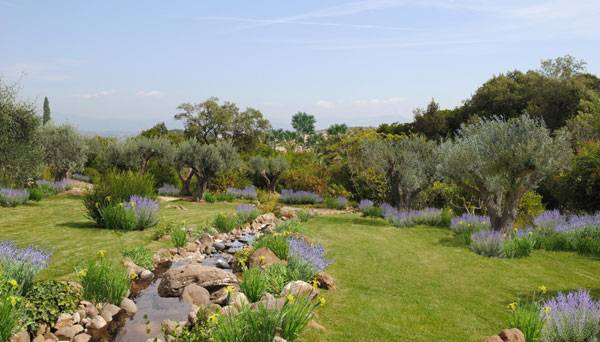
Bušin plays an important role in supporting Mediterranean ecosystems by providing shelter and resources for different forms of wildlife. Its flowers attract pollinators such as bees and other insects, helping maintain biodiversity in natural environments. The plant also contributes to the unique appearance of Mediterranean landscapes.
Because Bušin can survive in dry and poor soils, it is considered a valuable species in areas affected by challenging environmental conditions. Its presence helps maintain native plant communities and demonstrates how naturally adapted plants can support ecological balance while adding beauty to the environment.
Modern Interest in Bušin and Natural Wellness
In recent years, interest in Bušin has increased as more people explore traditional plants, natural skincare and sustainable lifestyles. The plant’s combination of historical importance, botanical beauty and traditional uses has made it popular among gardeners, herbal enthusiasts and natural product creators.
The modern popularity of Bušin reflects a wider movement towards understanding valuable plants from different cultures. From essential oils to herbal products, this Mediterranean shrub continues to inspire curiosity and appreciation. Its connection between ancient traditions and modern wellness keeps Bušin relevant in today’s botanical world.
Conclusion: The Lasting Value of Bušin
Bušin represents the beauty, strength and natural wisdom of Mediterranean plant life. With its attractive flowers, drought-resistant qualities and long history of traditional use, it remains an important plant for both ecological and cultural reasons. The Cistus family continues to interest researchers, gardeners and natural wellness communities around the world.
From traditional herbal practices to modern aromatherapy and sustainable gardening, Bušin demonstrates the valuable relationship between humans and nature. Its enduring popularity highlights how ancient botanical knowledge can continue to influence modern lifestyles while preserving the importance of Mediterranean natural heritage.
Frequently Asked Questions
What is Bušin?
Bušin is a Mediterranean evergreen shrub from the Cistus family, also known as the rock rose plant, valued for its natural properties and traditional uses.
What are the traditional uses of Bušin?
Bušin has traditionally been used in herbal teas, natural remedies, aromatherapy and cosmetic products because of its aromatic and botanical qualities.
What is Bušin tea used for?
Bušin tea is a herbal infusion made from dried leaves and is traditionally enjoyed as part of natural wellness routines.
Where does Bušin plant grow?
Bušin naturally grows in Mediterranean regions, especially in sunny, rocky areas with dry climates and well-drained soils.
Can Bušin be grown in a home garden?
Yes, Bušin can be grown in gardens with plenty of sunlight, suitable drainage and limited watering conditions.
You May Also Read: Езиково значение