

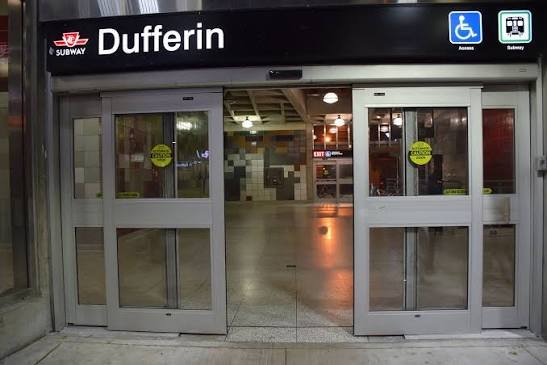
Automatic glass has become a defining feature of modern architecture, offering an ideal combination of convenience, innovation, and elegant design. Whether installed in commercial buildings, hospitals, shopping centres, hotels, or private homes, automatic glass improves accessibility while creating a stylish and professional appearance. As technology continues to evolve, more property owners are choosing automated glazing systems to enhance both functionality and visual appeal.
From touch-free entrance doors to advanced smart privacy glass, automatic glass solutions provide practical benefits that go beyond appearance alone. They improve energy efficiency, strengthen security, and create flexible living and working environments. This comprehensive guide explains how automatic glass works, explores its various types, highlights its advantages, and provides useful information about installation, maintenance, and long-term value.
What Is Automatic Glass?
Automatic glass refers to glazing systems that operate using electronic controls, sensors, motors, or intelligent automation rather than manual movement. These systems are commonly found in sliding doors, swing doors, windows, and glass partitions. Depending on the technology used, automatic glass can open when motion is detected or even change its transparency with the press of a button.
Unlike traditional glazing, automatic glass combines advanced engineering with everyday practicality. It allows buildings to become more accessible while offering improved comfort and convenience for occupants. Whether used in a busy commercial entrance or a contemporary home, automatic glass provides a reliable solution that reflects the growing demand for smart building technology.
Types Of Automatic Glass
There are several different forms of automatic glass, each designed to meet specific requirements. Automatic sliding glass doors remain one of the most popular options because they provide smooth, touch-free access in shopping centres, airports, hotels, and healthcare facilities. Swing doors, revolving doors, and folding systems also offer practical solutions for buildings with varying entrance layouts.
Smart glass and switchable glass represent another exciting category within automatic glass technology. These innovative products can instantly change from transparent to frosted, providing privacy without the need for curtains or blinds. Automated glazing systems are also available for windows and roof lights, allowing natural ventilation and improved indoor comfort through remote or sensor-based operation.
How Automatic Glass Works
Automatic glass relies on a combination of motion sensors, electronic controllers, electric motors, and safety mechanisms to perform efficiently. Motion sensors detect approaching individuals and immediately send signals to the control system, which activates the opening or closing mechanism. The entire process takes place within seconds, creating a seamless experience without requiring physical contact.
Many advanced automatic glass systems also integrate with smart home technology and building management systems. Users can operate doors or privacy glass through smartphones, remote controls, voice assistants, or programmed schedules. These intelligent features provide greater flexibility while improving security, convenience, and energy management throughout residential and commercial properties.
Benefits Of Automatic Glass
One of the greatest advantages of automatic glass is improved accessibility for everyone. Automatic doors allow easy access for wheelchair users, elderly people, parents with pushchairs, and individuals carrying heavy shopping or equipment. Touch-free operation also creates a safer and more hygienic environment by reducing physical contact with door handles and entrance surfaces.
Automatic glass also contributes to energy efficiency and property value. Modern systems minimise unnecessary heat loss by opening only when required, while smart glass helps regulate sunlight and indoor temperatures. At the same time, these stylish glazing solutions create an impressive first impression, making them an attractive investment for businesses and homeowners alike.
Common Applications Of Automatic Glass
Automatic glass is widely used in commercial settings where convenience and customer experience are essential. Shopping centres, office buildings, airports, hotels, restaurants, and healthcare facilities all benefit from automatic entrance systems that improve traffic flow while maintaining high safety standards. These installations also enhance the professional appearance of public buildings.
Residential applications continue to grow as homeowners embrace smart home technology. Automatic glass is increasingly installed in patio doors, conservatories, balconies, internal partitions, and luxury bathrooms. Switchable privacy glass offers an elegant alternative to traditional blinds, allowing homeowners to enjoy both natural light and privacy whenever required.
Automatic Glass Installation
Successful automatic glass installation begins with careful planning and professional assessment. Installers evaluate the property’s structure, traffic requirements, available space, and safety regulations before recommending the most suitable system. Accurate measurements and proper design ensure reliable operation and long-lasting performance after installation is complete.
During installation, technicians fit the glass panels, motors, sensors, electrical components, and control systems with precision. Every automatic glass installation undergoes thorough testing to confirm smooth movement, sensor accuracy, and emergency safety functions. Professional installation ensures compliance with building standards while reducing the risk of future operational problems.
Costs And Maintenance
The overall cost of automatic glass depends on several important factors, including the type of glazing, installation size, chosen technology, and project complexity. Smart glass and switchable privacy glass generally involve higher investment because they include sophisticated electronic components and specialised manufacturing processes that provide advanced functionality.
Routine maintenance plays an essential role in extending the lifespan of automatic glass systems. Regular cleaning, inspection of sensors, lubrication of moving parts, and scheduled servicing help prevent unexpected faults while ensuring reliable daily operation. Investing in proper maintenance often reduces repair costs and keeps the system performing efficiently for many years.
Safety Features
Modern automatic glass systems are designed with safety as a top priority. Built-in sensors detect people or objects positioned near moving doors and immediately stop or reverse movement if an obstruction is detected. These features significantly reduce the risk of accidents while maintaining smooth and reliable operation in busy environments.
Additional safety measures include emergency manual overrides, secure locking systems, battery backup options, and integration with fire safety equipment. Commercial buildings often combine automatic glass with access control technology, allowing authorised entry while protecting staff, visitors, and valuable assets through advanced security management.
Choosing The Right Automatic Glass
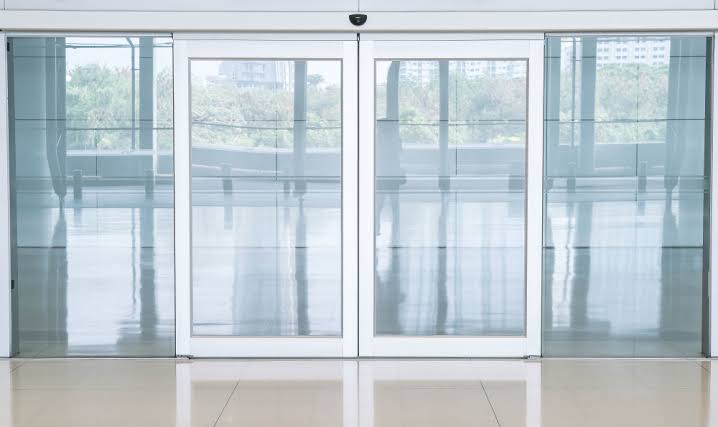
Selecting the most suitable automatic glass system depends on your property’s purpose, available budget, and design preferences. Residential customers often focus on aesthetics, privacy, and energy efficiency, while commercial property owners usually prioritise durability, accessibility, and the ability to accommodate high volumes of daily visitors.
Working with experienced suppliers and qualified installers helps ensure the chosen automatic glass system meets current safety regulations and delivers dependable long-term performance. Comparing product warranties, maintenance services, operating technology, and installation expertise allows buyers to make informed decisions that provide excellent value for their investment.
Conclusion
Automatic glass continues to transform modern buildings by combining innovative technology with practical everyday benefits. Whether installed in a family home, office complex, hospital, or retail centre, these advanced glazing systems improve convenience, accessibility, security, and energy efficiency while creating an attractive contemporary appearance that enhances the overall value of the property.
As demand for smart building solutions continues to grow, automatic glass remains one of the most versatile and future-ready investments available. With professional installation, regular maintenance, and the right choice of system, property owners can enjoy reliable performance, stylish design, and long-term benefits that make automatic glass an outstanding addition to almost any building.
Frequently Asked Questions
What is automatic glass?
Automatic glass is a glazing system that uses sensors, motors, or smart technology to operate automatically without manual effort.
What is the difference between automatic glass and smart glass?
Automatic glass usually refers to automated movement, while smart glass changes its transparency to provide instant privacy.
Is automatic glass suitable for residential properties?
Yes. Many homeowners install automatic glass for patios, conservatories, internal doors, and smart privacy partitions.
How much does automatic glass cost?
The cost depends on the glass type, installation size, technology, and project requirements.
Does automatic glass require regular maintenance?
Yes. Routine cleaning, safety inspections, and professional servicing help ensure reliable performance and extend the lifespan of the system.
You May Also Read: Trifasciata Sansevieria