

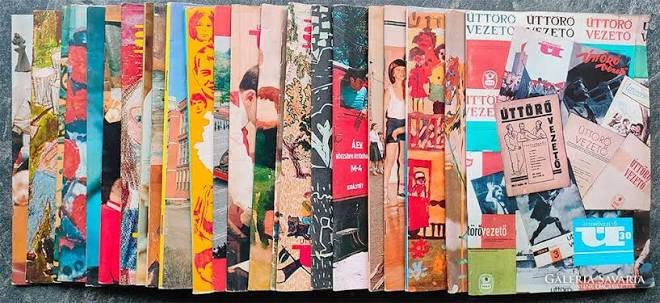
Ifjúsági Magazin was one of the most influential Hungarian youth publications, creating a strong connection with teenagers through decades of changing social and cultural landscapes. First introduced in 1965, the magazine became a trusted source of entertainment, education and lifestyle content for young readers. It covered important aspects of teenage life, including music, fashion, relationships, social discussions and popular culture, making it a memorable part of Hungarian magazine history.
Throughout its long publication period, Ifjúsági Magazin represented the interests and experiences of multiple generations. From the traditional print era to the rise of digital media, the magazine adapted to changing reader expectations while maintaining its role as a platform for youth expression. Its archives now serve as a valuable record of Hungarian youth culture, showing how society, trends and interests developed between 1965 and 2015.
The Origins of Ifjúsági Magazin and Its Early Development
The story of Ifjúsági Magazin began in 1965 when Hungary saw a growing demand for publications designed specifically for younger audiences. The magazine was created as a monthly publication aimed mainly at teenagers, providing articles that combined useful information with entertainment. Its early editions focused on topics relevant to young people, including education, hobbies, cultural events and social activities.
During its first years, Ifjúsági Magazin quickly gained popularity among Hungarian teenagers because it offered content that reflected their daily experiences. The magazine provided a unique space where young readers could discover new ideas, follow cultural trends and learn about the wider world. Its accessible writing style and youth-focused approach helped establish a strong relationship between the publication and its audience.
The Evolution of Ifjúsági Magazin Through Different Decades
Over several decades, Ifjúsági Magazin experienced significant changes that reflected the transformation of Hungarian society. During the 1960s and 1970s, the magazine focused on traditional youth topics while gradually expanding its coverage of entertainment, music and lifestyle subjects. The introduction of colour printing in 1978 improved the magazine’s appearance and made it more appealing to younger readers.
The 1980s and 1990s brought further changes as young people developed new interests influenced by international culture, fashion and popular entertainment. Ifjúsági Magazin adapted by featuring more modern topics, interviews and cultural content. The publication successfully remained relevant by responding to the changing expectations of teenagers and continuing to provide engaging material.
Popular Content and Features of Ifjúsági Magazin
One of the main reasons behind the success of Ifjúsági Magazin was its wide range of content created specifically for young audiences. The magazine included articles about music stars, entertainment news, fashion trends, lifestyle advice and stories about teenage experiences. These sections helped readers feel connected to current cultural movements and encouraged them to explore new interests.
The publication also included interviews, opinion pieces and educational content that addressed issues important to young people. By combining entertainment with informative articles, Ifjúsági Magazin created a balanced reading experience. This approach allowed the magazine to become more than a simple publication; it became a companion for many teenagers growing up in Hungary.
Ifjúsági Magazin Archives and Their Historical Value
The archives of Ifjúsági Magazin provide an important window into the history of Hungarian youth culture. Old editions contain photographs, articles, advertisements and stories that reveal how young people viewed entertainment, fashion and social topics during different periods. These preserved copies are valuable resources for researchers, collectors and anyone interested in Hungarian publishing history.
Today, many people search for Ifjúsági Magazin archives to explore memorable issues and understand the cultural environment of previous generations. The archived magazines represent a visual and written timeline of changing trends, allowing readers to see how youth interests developed over five decades. They also help preserve the memories of people who grew up reading the publication.
The Cultural Impact of Ifjúsági Magazin in Hungary
The influence of Ifjúsági Magazin extended beyond regular magazine reading because it became part of everyday youth culture. The publication introduced teenagers to new music, fashion styles and social discussions, helping shape their understanding of the world around them. Many readers considered the magazine an important source of inspiration during their teenage years.
The cultural impact of Ifjúsági Magazin can still be seen today through the memories shared by former readers and collectors. It represented different generations of Hungarian youth and documented their changing interests. By recording important moments in popular culture, the magazine became a valuable historical document that continues to attract attention.
Ifjúsági Magazin and the Changing Landscape of Youth Media

The development of digital technology created major challenges for traditional print publications, including Ifjúsági Magazin. As more young people moved towards online platforms for entertainment and information, printed magazines faced declining readership. The changing media environment made it increasingly difficult for long-established publications to maintain their previous influence.
Despite these challenges, Ifjúsági Magazin remains an important example of successful youth publishing. Its long journey demonstrates how magazines can influence culture and create lasting connections with readers. Although modern audiences consume information differently, the historical importance of the publication continues through its preserved editions and cultural impact.
The Legacy of Ifjúsági Magazin After 2015
After ending publication in 2015, Ifjúsági Magazin continued to hold a special place in Hungarian cultural history. The magazine’s decades of content created a valuable collection that represents the experiences, interests and challenges faced by young people across different generations. Its legacy remains connected to the memories of millions of readers.
The continued interest in Ifjúsági Magazin shows the lasting power of printed media. Collectors, historians and former readers continue exploring old editions to discover stories from the past. The magazine remains an important reminder of how publications can capture the spirit of an era and preserve cultural memories for future generations.
Why Ifjúsági Magazin Remains Relevant Today
In today’s digital world, historical publications such as Ifjúsági Magazin provide valuable knowledge about previous generations and social changes. The magazine offers researchers an opportunity to study how youth culture, entertainment and communication developed throughout modern Hungarian history.
The continued appreciation of Ifjúsági Magazin proves that influential publications can maintain importance long after their final issue. Its archives represent creativity, cultural change and the experiences of young people across five decades. The magazine remains a significant part of Hungary’s publishing heritage and youth media history.
Conclusion
Ifjúsági Magazin was not only a youth publication but also a reflection of Hungarian society, culture and generational change. From its launch in 1965 to its final years in 2015, the magazine documented the interests, dreams and lifestyles of young readers through changing times.
With its valuable archives, cultural influence and historical importance, Ifjúsági Magazin continues to be remembered as a significant publication. Its story demonstrates the powerful role magazines can play in shaping identity, preserving memories and connecting generations through shared experiences.
Frequently Asked Questions About Ifjúsági Magazin
What was Ifjúsági Magazin?
Ifjúsági Magazin was a Hungarian youth magazine launched in 1965 that focused on teenagers, covering music, culture, lifestyle, entertainment and social topics.
When was Ifjúsági Magazin published?
Ifjúsági Magazin was published from 1965 until 2015, becoming one of Hungary’s longest-running youth publications.
Who was the target audience of Ifjúsági Magazin?
The magazine was mainly created for Hungarian teenagers, especially young readers between the ages of 14 and 18.
Why is Ifjúsági Magazin historically important?
Ifjúsági Magazin is important because it documented decades of Hungarian youth culture, social changes, fashion trends and popular entertainment.
Where can people find Ifjúsági Magazin archives?
Historical Ifjúsági Magazin issues can be found through online archives, libraries, collectors and Hungarian magazine preservation platforms.
You May Also Read: Spinner Spinner Fidget