

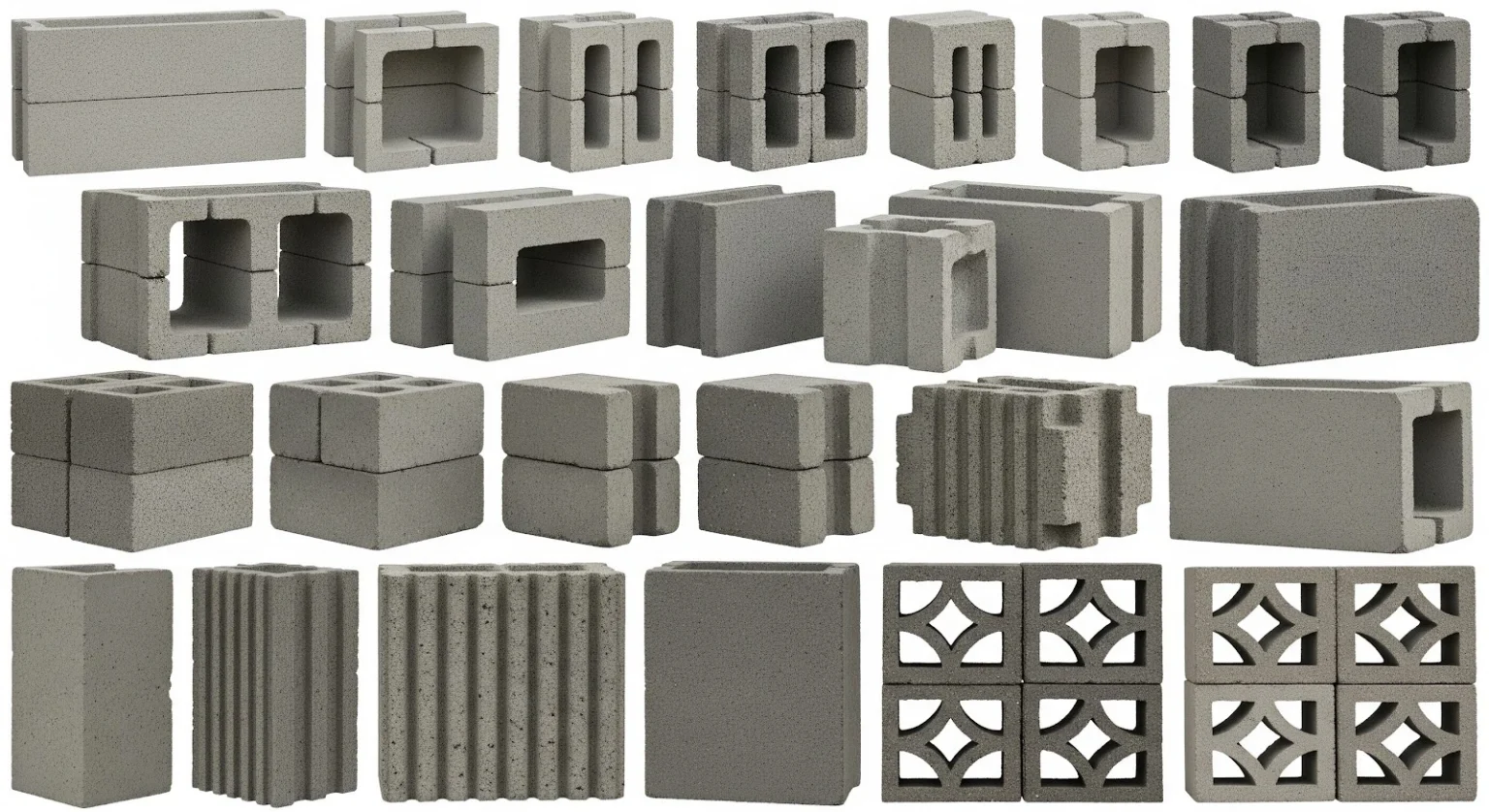
Concrete blocks are one of the most widely used building materials in modern construction, known for their strength, durability, and versatility. A concrete blocks is a rectangular masonry unit made from a mixture of cement, sand, gravel, and water, molded into shape and hardened for structural use. These blocks have become a foundation of both small-scale housing projects and large industrial developments due to their reliability and cost efficiency.
The importance of concrete blocks lies in their ability to provide strong structural support while remaining relatively affordable compared to many traditional building materials. They are used in everything from residential homes to commercial buildings, boundary walls, and infrastructure projects. Their uniform shape and size make construction faster and more precise, reducing labor time and improving overall efficiency on-site.
In modern architecture, concrete blocks are valued not only for strength but also for their adaptability. They can be used in load-bearing walls, partition walls, and even decorative designs. With growing demand for sustainable construction materials, concrete’blocks continue to play a key role in shaping energy-efficient and long-lasting buildings around the world.
Types of Concrete Blocks and Their Characteristics
Concrete blocks come in various types, each designed for specific construction needs. Solid concrete blocks are the most traditional form, known for their high strength and heavy-duty applications. They are commonly used in foundations and load-bearing walls where maximum durability is required. Their dense structure makes them ideal for structures that need to withstand heavy pressure.
Hollow concrete blocks are another widely used type. These blocks contain hollow spaces that reduce their weight while maintaining strength. The air gaps also improve thermal and sound insulation, making them suitable for residential and commercial buildings. They are easier to handle and allow faster construction due to their lighter weight.
Aerated concrete blocks (AAC) are lightweight and highly energy-efficient. They are made using a special foaming process that creates air pockets within the material, improving insulation properties. Interlocking concrete’blocks, on the other hand, are designed to fit together without excessive mortar, making construction faster and more cost-effective. Decorative blocks are used for aesthetic purposes, often in landscaping and architectural designs.
Each type of concrete block serves a unique purpose, allowing builders to choose based on strength, insulation, weight, and design requirements. This versatility is one of the reasons concrete’blocks remain a preferred material in the construction industry.
Manufacturing Process of Concrete Blocks
The manufacturing of concrete blocks is a carefully controlled process that ensures strength, consistency, and durability. It begins with selecting high-quality raw materials such as cement, sand, gravel, and water. These ingredients are mixed in precise proportions to create a uniform concrete mixture. The quality of materials directly affects the strength and lifespan of the final product.
Once the mixture is prepared, it is poured into molds that shape the blocks into standard sizes. Modern manufacturing facilities use vibration and compression techniques to remove air pockets and ensure compactness. This step is crucial because it enhances the structural integrity of the blocks and prevents cracks or weaknesses.
After molding, the blocks undergo a curing process where they are kept in controlled conditions to harden properly. This process can take several days and is essential for achieving full strength. Quality control checks are performed throughout production to ensure each block meets industry standards. Many modern factories also use automated systems to improve efficiency and reduce human error, making the production process faster and more consistent.
Key Advantages of Using Concrete Blocks in Construction
Concrete blocks offer numerous advantages that make them a preferred choice in construction projects worldwide. One of the most significant benefits is their high strength and load-bearing capacity. Structures built with concrete’blocks are known for their durability and ability to withstand heavy pressure and harsh environmental conditions.
Another major advantage is their fire resistance. Unlike many other building materials, concrete’blocks do not burn, making them a safer option for residential and commercial buildings. They also provide excellent weather resistance, protecting structures from rain, wind, and temperature fluctuations.
Cost-effectiveness is another important factor. Concrete blocks are relatively inexpensive compared to natural stone or brick, and they reduce construction time due to their uniform size. They also offer energy efficiency by providing insulation, helping to regulate indoor temperatures and reduce energy costs.
Additionally, concrete’blocks are resistant to pests, mold, and decay, which increases the lifespan of buildings. Their versatility allows them to be used in a wide range of architectural designs, making them suitable for both functional and aesthetic applications.
Applications of Concrete Blocks in Modern Building Projects
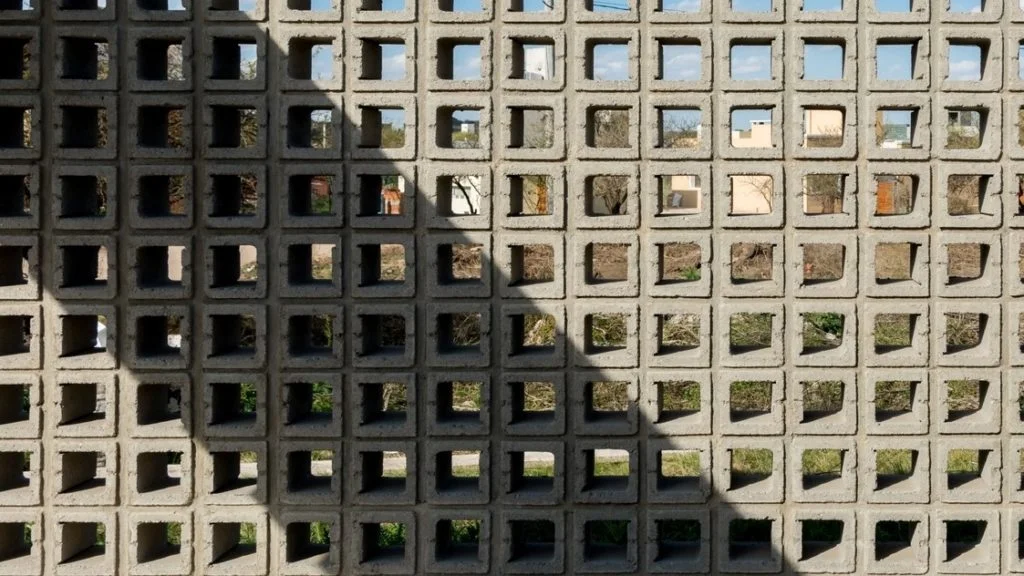
Concrete blocks are used in a wide variety of construction projects due to their strength and adaptability. In residential construction, they are commonly used for building walls, foundations, and boundary structures. Their durability makes them ideal for long-lasting homes that require minimal maintenance.
In commercial construction, concrete’blocks are used in office buildings, shopping centers, and warehouses. Their ability to support heavy loads makes them suitable for large-scale structures. They are also widely used in industrial settings where strength and durability are critical.
Infrastructure projects such as bridges, highways, and retaining walls also rely heavily on concrete’blocks. Their stability and resistance to environmental stress make them ideal for such applications. Additionally, they are used in landscaping projects for decorative walls, garden structures, and outdoor designs, showcasing their versatility beyond traditional construction.
Conclusion: Why Concrete Blocks Remain a Top Construction Choice
Concrete blocks continue to dominate the construction industry due to their unmatched combination of strength, affordability, and versatility. A concrete blocks provides builders with a reliable material that can be used in a wide range of applications, from simple residential homes to complex industrial structures.
Their durability, fire resistance, and energy efficiency make them a sustainable choice for modern construction. As building technology continues to evolve, concrete’blocks remain a fundamental material that supports both traditional and innovative architectural designs. Their long-term value ensures they will continue to be a key component in construction projects worldwide.
FAQs
What are concrete blocks used for?
Concrete blocks are used for building walls, foundations, fences, and various structural and decorative applications.
Are concrete blocks stronger than bricks?
Yes, concrete blocks are generally stronger and more durable than traditional bricks.
What types of concrete blocks are available?
Common types include solid, hollow, AAC, interlocking, and decorative blocks.
How long do concrete block structures last?
With proper construction and maintenance, they can last for several decades.
Are concrete blocks environmentally friendly?
Yes, many modern concrete blocks are produced using sustainable methods and materials.
Can concrete blocks be used for homes?
Yes, they are widely used in residential construction due to their strength and affordability.
You May Also Read: Stair Gate