

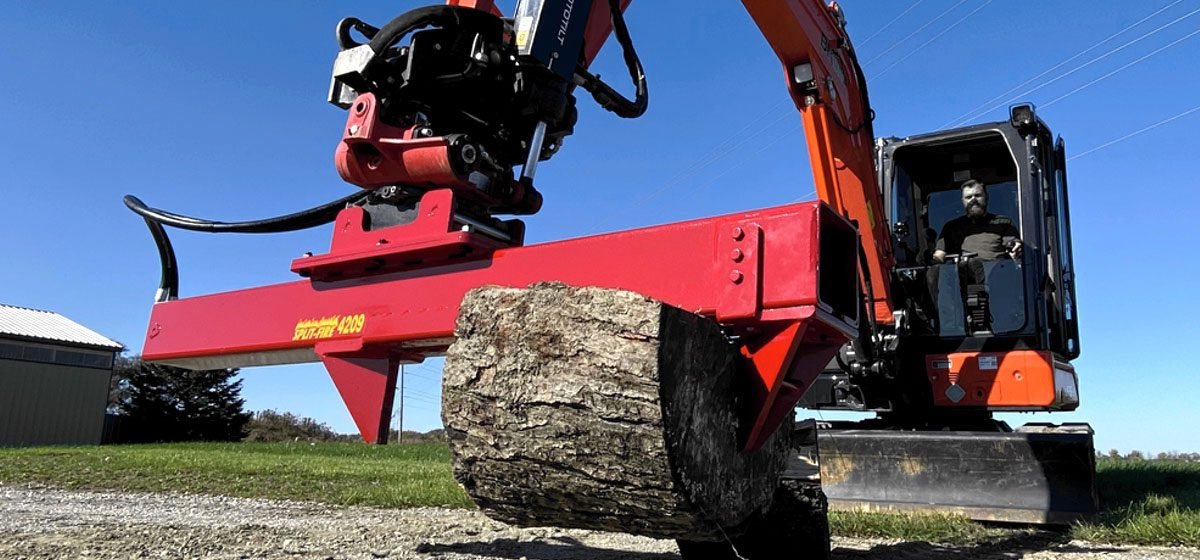
A log splitter is a powerful tool designed to make firewood preparation faster, safer, and far more efficient than traditional axe splitting. The modern log splitter has become essential equipment for homeowners with fireplaces, farmers managing large wood supplies, and professionals in forestry and landscaping. Instead of relying on physical strength and time-consuming manual labor, a log splitter uses mechanical force to split logs cleanly and consistently.
The importance of this machine lies in its ability to transform a difficult and tiring task into a simple and controlled process. Firewood preparation, especially during colder months, can be extremely demanding when done manually. A log splitter significantly reduces the physical strain while increasing productivity. This makes it not only a convenience tool but also a long-term investment for anyone who regularly works with wood.
Over the years, log splitters have evolved from basic manual devices into highly advanced machines powered by electricity, gasoline, or hydraulic systems. Today, they are available in various sizes and strengths, making them suitable for both home use and commercial operations. This evolution has made firewood processing more accessible and efficient than ever before.
Types of Log Splitters and How They Work
Log splitters come in several different types, each designed to meet specific needs and workloads. The most basic version is the manual log’splitter, which requires physical effort to operate. These are typically used for small jobs and are ideal for users who only need to split a limited amount of firewood occasionally. While affordable, they are not suitable for heavy-duty tasks.
Electric log splitters are one of the most popular choices for homeowners. They are easy to operate, quieter than gas models, and require minimal maintenance. These machines are perfect for medium-sized logs and regular household use. Their main advantage is convenience, as they can be plugged into a standard power source and used immediately without fuel or complicated setup.
Gas-powered log splitters are designed for heavy-duty work. These machines generate significantly more power, making them ideal for large logs and commercial use. They are commonly used in forestry operations and by professionals who need high performance and mobility in outdoor environments. Hydraulic systems are the core technology behind most modern splitters, providing consistent and powerful force to split even the toughest wood efficiently.
Key Features to Consider Before Buying a Log Splitter
When selecting a log splitter, one of the most important factors to consider is splitting force, usually measured in tons. Higher tonnage means greater power, allowing the machine to handle larger and harder logs. For home use, a lower tonnage may be sufficient, but for professional applications, a higher capacity is essential.
Cycle time is another important feature that determines how quickly the machine can complete a full split and reset for the next log. Faster cycle times improve efficiency, especially when processing large volumes of wood. Log capacity, including length and diameter, also plays a crucial role in determining whether a splitter meets your specific needs.
Safety features should never be overlooked. Many modern machines include two-hand operation systems, protective guards, and emergency stop functions to prevent accidents. Build quality and durability are equally important, as log splitters are often exposed to heavy pressure and outdoor conditions. A strong frame and high-quality materials ensure long-term performance.
Portability is another factor to consider, especially if the machine needs to be moved frequently. Wheels and compact designs can make transportation much easier. Finally, brand reputation and warranty coverage can provide peace of mind, ensuring that your investment is protected over time.
Best Uses and Applications of Log Splitters
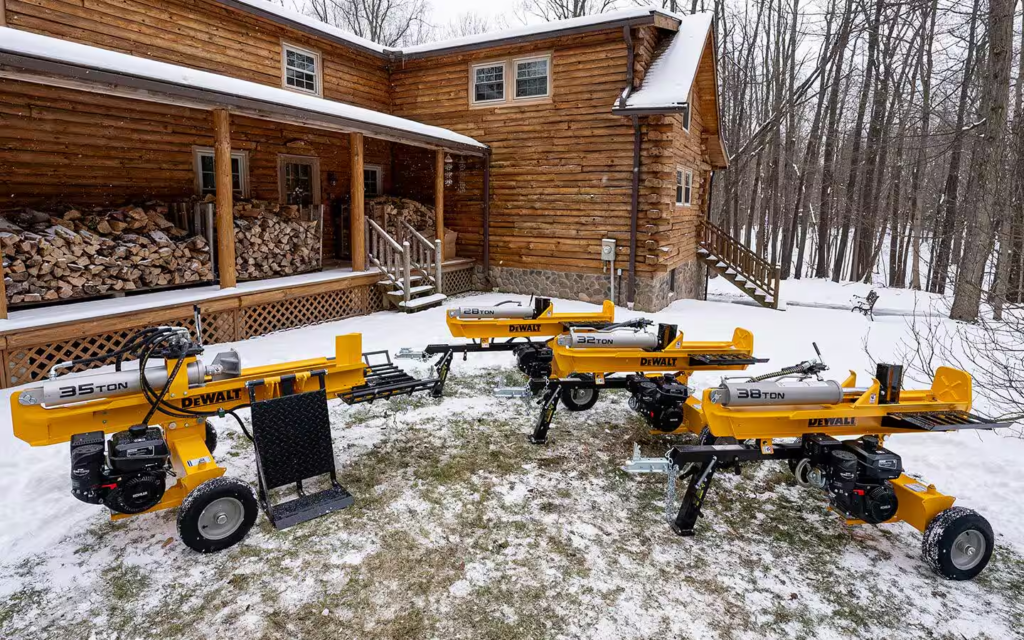
Log splitters are widely used in residential settings for preparing firewood for fireplaces, wood-burning stoves, and outdoor fire pits. Homeowners benefit greatly from the time and effort saved compared to manual splitting methods. The convenience of having ready-to-use firewood makes winter preparation much easier and more efficient.
In agricultural and farming environments, log splitters are used to manage large amounts of wood waste and maintain property landscapes. Farmers often rely on them for clearing fallen trees and preparing wood for heating and construction purposes. Landscaping professionals also use these machines for maintaining outdoor spaces and managing storm damage.
Commercial firewood production is another major application. Businesses that supply firewood in bulk depend on high-powered log splitters to maintain productivity and meet customer demand. Additionally, these machines are useful in emergency situations, such as storm cleanup or disaster recovery, where large volumes of wood need to be processed quickly and safely.
Safety Tips for Using a Log Splitter
Safety is extremely important when operating a log splitter. Users should always wear protective gear, including gloves, safety goggles, and sturdy footwear, to reduce the risk of injury. Proper clothing helps protect against flying wood chips and accidental contact with moving parts.
It is essential to follow correct operating procedures, including proper log positioning and maintaining a safe distance from the splitting mechanism. Many accidents occur due to improper handling or rushing the process. Modern machines are designed with safety in mind, but user awareness remains critical.
Regular maintenance checks should be performed before each use to ensure the machine is in good working condition. This includes inspecting hydraulic systems, checking for leaks, and ensuring all safety features are functional. Keeping children and pets away from the operating area is also essential to prevent accidents.
Maintenance and Care for Long-Term Performance
Proper maintenance is key to ensuring the long lifespan of a log splitter. Regular lubrication of moving parts and monitoring hydraulic fluid levels help maintain smooth operation. Without proper maintenance, performance can decline over time, leading to reduced efficiency and potential mechanical issues.
The blade or wedge should be inspected frequently for wear and damage. Keeping it sharp ensures clean and efficient splitting. Cleaning the machine after each use is also important, as wood debris and dirt can accumulate and affect performance.
Storage plays a major role in preserving the machine. During off-season periods, it should be kept in a dry, protected area to avoid rust and weather damage. Troubleshooting minor issues early can prevent major repairs later, making routine inspection an essential part of ownership.
Conclusion: Why a Log Splitter Is a Smart Investment
A log splitter is more than just a tool—it is a long-term investment in efficiency, safety, and convenience. Whether used for household firewood preparation or commercial operations, the log splitter significantly reduces physical effort while increasing productivity. Its ability to handle large volumes of wood quickly makes it an essential machine for anyone working with firewood.
By choosing the right type, maintaining it properly, and following safety guidelines, users can enjoy years of reliable performance. In today’s fast-paced world, tools that save time and energy are invaluable, and a log splitter stands out as one of the most practical solutions for wood processing tasks.
FAQs
What is a log splitter used for?
A log splitter is used to cut firewood logs into smaller, manageable pieces quickly and efficiently.
What size log splitter do I need?
It depends on the size and hardness of the wood you plan to split; heavier logs require higher tonnage.
Are electric log splitters powerful enough?
Yes, they are suitable for most home users, but gas models are better for heavy-duty work.
Is a log splitter safe to use?
Yes, when used properly with safety gear and correct operating procedures.
How long does a log splitter last?
With proper maintenance, a log splitter can last for many years.
What is the difference between hydraulic and manual log splitters?
Hydraulic models use powered force for easier splitting, while manual ones require physical effort.
You May Also Read: Filmai In