

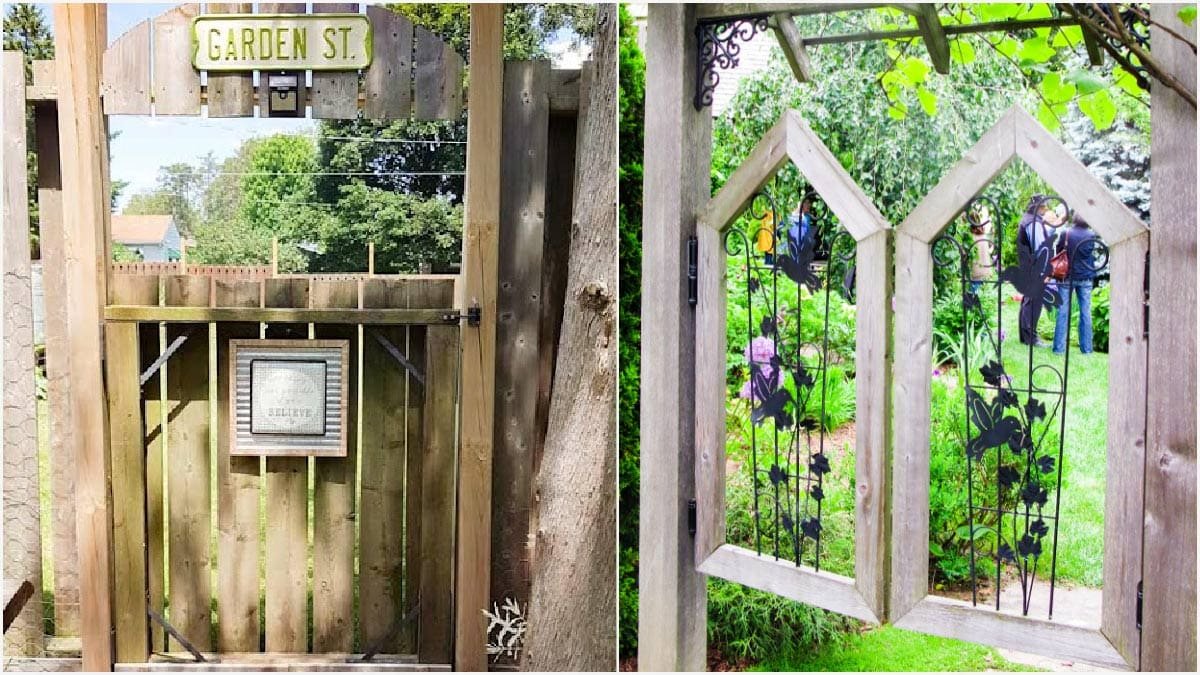
A garden gate is more than just an entry point—it is the first impression of your outdoor space and an essential element of landscape design. Whether leading into a cozy backyard, a lush garden, or a grand estate, a garden gate defines boundaries while adding character and charm. It serves both practical and aesthetic purposes, blending functionality with visual appeal in a way that enhances the overall atmosphere of a property.
From a design perspective, garden gate play a major role in shaping curb appeal. A well-chosen gate can instantly elevate the look of a home, creating a welcoming entrance that reflects personal style. Whether it is a rustic wooden gate surrounded by greenery or a sleek modern metal design, the gate sets the tone for what lies beyond it. Homeowners often use garden’gates as focal points in landscaping, integrating them with pathways, flowers, and fencing.
Beyond aesthetics, garden gates are important for security and privacy. They help control access to outdoor spaces, keep pets and children safe, and define property boundaries clearly. In modern home design, garden’gates are no longer just functional structures—they are design statements that combine beauty, durability, and purpose in one elegant feature.
Types of Garden Gates
Garden gates come in a wide variety of styles, each offering unique advantages depending on the purpose and design preference. One of the most popular types is the wooden garden’gate, known for its natural and timeless appeal. Wooden gates blend seamlessly into outdoor environments, especially in traditional or rustic garden settings. They can be customized with paint, stains, or carvings, making them highly versatile. However, they do require regular maintenance to protect against weather damage and decay.
Metal garden’gates, on the other hand, are valued for their strength and durability. Materials such as iron, steel, and aluminum provide excellent security while allowing for intricate decorative designs. Wrought iron gates, in particular, are often chosen for their elegant and classic appearance. Metal gates are also highly resistant to wear and tear, making them ideal for long-term use with minimal maintenance.
Vinyl and composite garden gates are modern alternatives that focus on convenience and low maintenance. These materials are resistant to moisture, pests, and weather changes, making them suitable for a variety of climates. They are available in many styles that mimic wood or metal, offering flexibility without the upkeep requirements.
Decorative and custom garden’gates are designed for those who want a unique and personalized touch. These gates often feature artistic patterns, laser-cut designs, or custom-built elements that reflect individual taste. They are commonly used in luxury homes or themed gardens where aesthetics are a top priority.
Materials Used in Garden Gates
The material of a garden gate significantly influences its appearance, durability, and maintenance needs. Wood is one of the most traditional choices, offering natural beauty and warmth. Common types include cedar, oak, and pine, each with different levels of strength and resistance to weather conditions. Wooden gates are ideal for gardens that aim for a natural and organic look.
Metal is another widely used material, known for its strength and longevity. Iron gates provide a classic, ornamental look, while steel offers enhanced security and durability. Aluminum is a lightweight option that resists rust, making it suitable for humid or coastal environments. Metal gates often require protective coatings to maintain their appearance over time.
Composite and vinyl materials have gained popularity due to their low maintenance and weather-resistant properties. These materials are engineered to withstand environmental changes without warping, cracking, or fading. They are ideal for homeowners seeking a balance between aesthetics and practicality.
Choosing the right material depends on several factors, including climate, budget, and design preferences. A well-selected material ensures that the garden’gate remains functional and visually appealing for years.
Garden Gate Design Styles
Garden gate designs vary widely, allowing homeowners to match their outdoor spaces with their personal style. Traditional garden’gate designs often feature wooden pickets, arched tops, and rustic finishes. These designs are perfect for countryside homes and classic garden landscapes, where charm and simplicity are key.
Modern minimalist garden gates focus on clean lines, geometric shapes, and neutral tones. These gates are commonly made from metal or composite materials and are designed to complement contemporary architecture. Their simplicity makes them ideal for urban homes and modern landscapes.
Decorative and ornamental garden gates are more elaborate, featuring intricate patterns, floral motifs, and artistic detailing. These gates are often used as statement pieces, adding elegance and luxury to outdoor spaces. They are especially popular in large gardens or estates where visual impact is important.
Each design style serves a different purpose, but all contribute to enhancing the overall aesthetic of a property while maintaining functionality.
Functionality and Purpose of Garden Gates
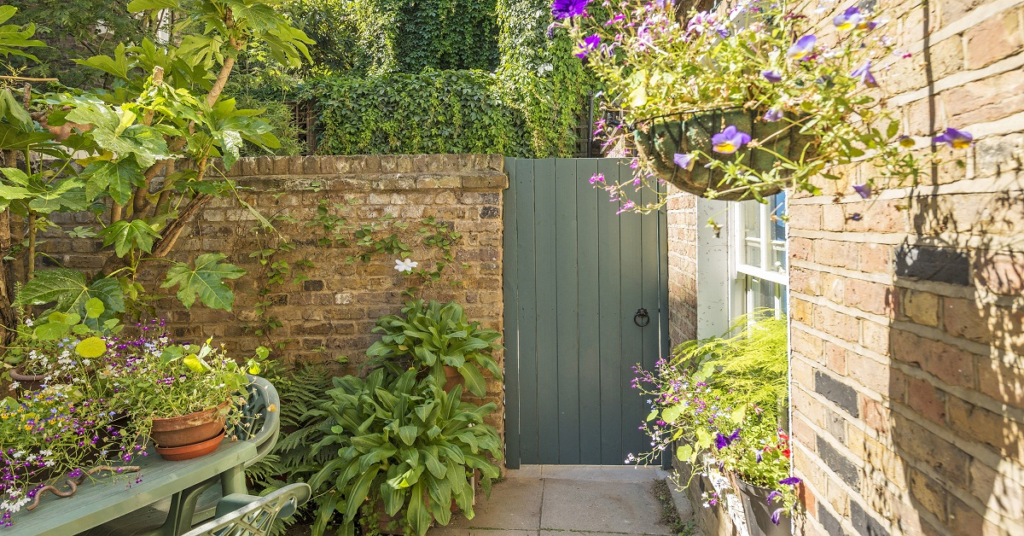
A garden gate serves multiple practical functions beyond aesthetics. One of its primary roles is to enhance security by controlling access to the property. It acts as a barrier that helps protect the home and outdoor spaces from unwanted entry.
Garden’gates also provide privacy, allowing homeowners to enjoy their outdoor areas without external disturbances. They create a sense of enclosure, which is especially valuable in urban or densely populated areas.
In addition, garden gates are essential for safety. They help keep children and pets within a secure boundary, preventing them from wandering into unsafe areas. This makes them an important feature for family homes.
Another key purpose is landscape organization. Garden gates help define different zones within outdoor spaces, guiding movement and enhancing the overall structure of the garden layout.
Installation of Garden Gates
Installing a garden gate requires careful planning and proper tools. Homeowners can choose between DIY installation and professional services depending on the complexity of the gate. Simple wooden gates can often be installed independently, while metal or custom gates may require expert assistance.
The installation process typically involves measuring the space, setting posts securely, and attaching the gate frame. Proper alignment is crucial to ensure smooth operation and long-term durability. Any misalignment can lead to functional issues over time.
Common mistakes during installation include improper leveling, weak post foundations, and using incorrect hardware. Avoiding these errors ensures that the gate remains stable and functional for years.
Garden Gate Security Features
Modern garden gates often include enhanced security features such as sturdy locks, latch systems, and reinforced frames. These elements help prevent unauthorized access and improve overall safety.
Smart gate technology is also becoming increasingly popular. Automated gates with remote access or keypad entry provide convenience and advanced security. These systems are ideal for homeowners seeking modern solutions.
Height and structural design also play a role in security. Taller gates with solid construction offer better protection and privacy compared to shorter or open designs.
Maintenance and Care Tips
Proper maintenance ensures that a garden gate remains functional and attractive over time. Wooden gates should be treated with sealants or paint to protect against moisture and insects. Regular inspections help identify early signs of damage.
Metal gates require protection against rust and corrosion. Applying anti-rust coatings and cleaning regularly helps maintain their durability. Lubricating hinges ensures smooth operation.
Vinyl and composite gates require minimal maintenance, usually limited to occasional cleaning with water and mild detergent. Seasonal checks help ensure all components remain in good condition.
Cost of Garden Gates
The cost of a garden gate varies depending on material, size, and design complexity. Wooden gates are generally more affordable, while metal and custom designs tend to be more expensive.
Installation costs also vary based on labor requirements and gate type. While DIY installation can reduce expenses, professional installation ensures better quality and durability.
Despite the initial cost, a well-designed garden gate adds long-term value to a property by improving aesthetics, security, and functionality.
Conclusion
A garden gate is a vital feature that combines beauty, security, and practicality in outdoor design. From traditional wooden styles to modern metal structures, garden gates offer endless possibilities for customization and creativity. They enhance curb appeal, define spaces, and provide essential protection for homes and gardens.
Choosing the right gate involves considering materials, design, functionality, and maintenance needs. When selected carefully, a garden gate becomes more than just an entrance—it becomes a lasting part of a home’s identity and charm.
FAQs About Garden Gates
What is the purpose of a garden gate?
It provides security, privacy, and aesthetic enhancement to outdoor spaces.
Which material is best for a garden gate?
It depends on needs; wood for natural look, metal for durability, and vinyl for low maintenance.
How much does a garden gate cost?
Costs vary based on size and material, ranging from budget-friendly to premium options.
Are wooden garden gates durable?
Yes, but they require regular maintenance to withstand weather conditions.
Can I install a garden gate myself?
Simple gates can be DIY-installed, but complex ones may require professionals.
What is the most secure type of garden gate?
Metal gates with strong locks offer the highest security.
How do I maintain a garden gate?
Regular cleaning, sealing, and rust prevention depending on the material.
Do garden gates increase property value?
Yes, they improve curb appeal and overall home value.
You May Also Read: Conch Piercing