

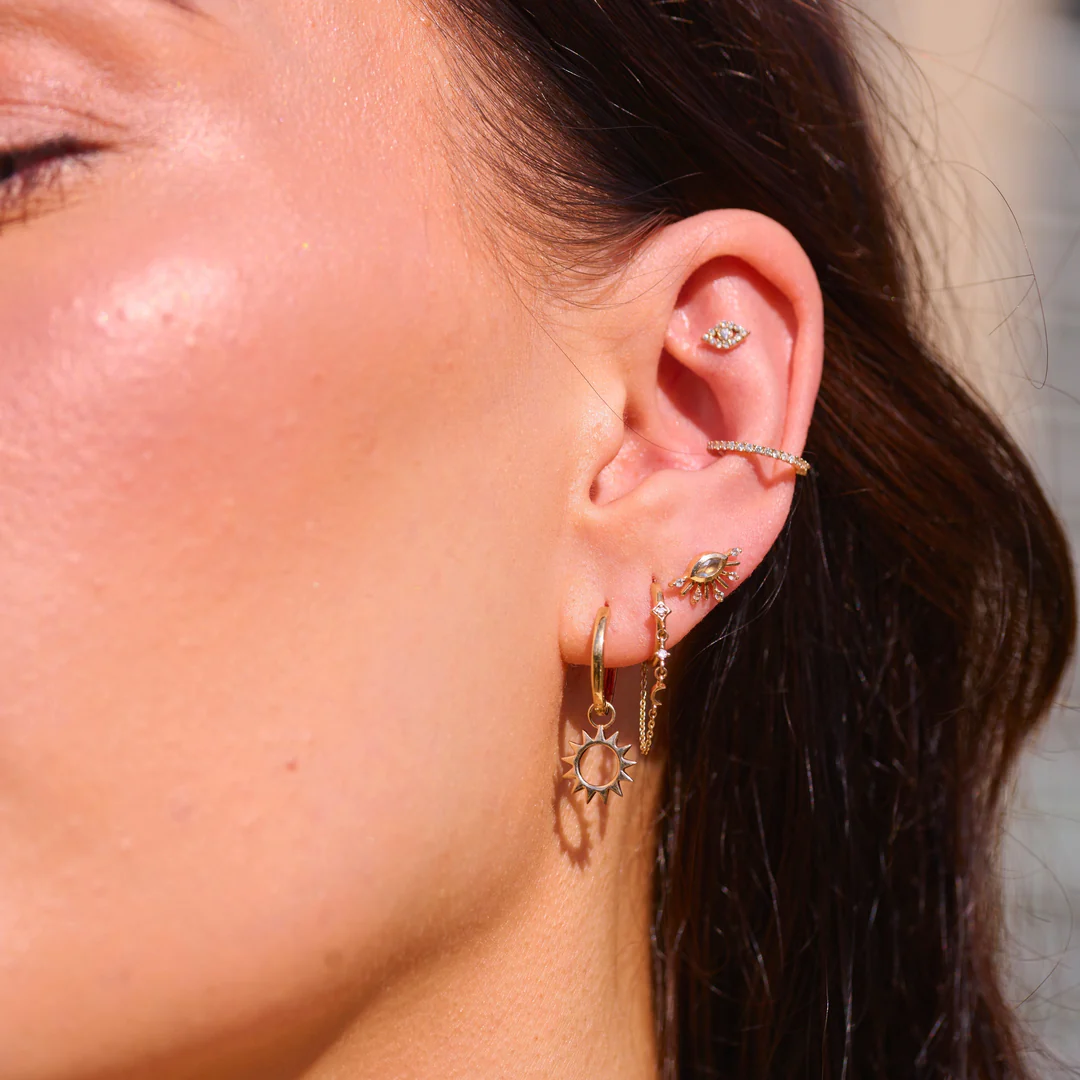
A conch piercing is one of the most stylish and versatile forms of ear cartilage piercing, placed in the middle section of the ear known as the conch. This area resembles the spiral shape of a seashell, which is where the name comes from. Unlike traditional lobe piercings, the conch piercing goes through thicker cartilage, giving it a bold yet elegant aesthetic that has become increasingly popular in modern body modification culture.
In recent years, conch piercing have gained massive popularity on social media platforms and among fashion influencers. Their appeal lies in their ability to enhance ear styling, especially when combined with other piercings in a curated “ear stack.” Whether subtle or statement-making, a conch piercing adds depth and personality to an individual’s overall look.
There are two main styles: inner and outer conch piercings. Each offers a different aesthetic, allowing people to choose based on their personal style preferences. While the inner conch is often more minimal and discreet, the outer conch is bold and expressive, making it a favorite among those who enjoy standout jewelry pieces.
Types of Conch Piercings
Inner Conch Piercing
The inner conch piercing is placed in the central bowl of the ear, directly through the cartilage. This type is typically adorned with flat-back studs that sit neatly against the ear, creating a clean and minimalist appearance. Many people prefer this style because it blends subtly with other piercings while still offering a unique focal point.
From a fashion perspective, the inner conch is perfect for those who want elegance without being overly flashy. It works well with delicate jewelry and is often chosen for professional or everyday looks. Despite its subtlety, it still provides a strong aesthetic enhancement to the ear.
Healing for an inner conch piercing requires patience due to the thick cartilage tissue. However, once healed, it becomes one of the most versatile piercings for styling different jewelry combinations.
Outer Conch Piercing
The outer conch piercing is placed closer to the edge of the ear cartilage, making it more visible and bold. This style is often paired with hoops or larger rings that wrap around the outer ear, creating a striking visual effect.
Unlike the inner conch, the outer version is more expressive and is commonly chosen by individuals who enjoy statement jewelry. It stands out more prominently, especially when combined with multiple ear piercings or curated ear designs.
The outer conch allows for creative styling possibilities, making it a favorite among fashion-forward individuals. However, due to its placement, it may require extra care during the healing process, especially when using hoop jewelry.
Double Conch Piercing
The double conch piercing involves two separate piercings in the conch area, either side by side or strategically placed for symmetry. This advanced style is ideal for those who want a more dramatic and customized ear look.
It allows for creative combinations, such as matching studs or a mix of studs and hoops. The double conch is often seen in curated ear designs, where multiple piercings are styled together for a cohesive aesthetic.
Because it involves multiple piercings, healing may take longer, and aftercare becomes even more important. However, the final result is highly unique and visually impactful.
Conch Piercing Procedure Explained
Getting a conch piercing should always be done by a professional piercer in a clean and sterile environment. The process begins with marking the exact placement on the ear to ensure symmetry and proper alignment. Once confirmed, the area is cleaned thoroughly to reduce the risk of infection.
A sterile needle is then used to pierce through the cartilage. Unlike piercing guns, which are not recommended for cartilage, needles provide a cleaner and safer puncture with less trauma to the tissue. The procedure is relatively quick, usually lasting only a few minutes.
During the process, individuals may feel pressure and a sharp sensation, but it is generally tolerable. After the piercing is done, jewelry is inserted immediately, and aftercare instructions are provided. Proper technique and hygiene are essential to ensure smooth healing.
Pain Level and What to Expect
A conch piercing is often described as moderately painful due to its location in the thick cartilage of the ear. While pain tolerance varies from person to person, most people report a sharp pinch followed by soreness or pressure.
Several factors influence the pain level, including individual sensitivity, piercer experience, and overall health. First-time cartilage piercings may feel more intense compared to lobe piercings, but the discomfort is usually brief.
After the procedure, mild swelling, redness, and tenderness are common. These symptoms are normal and typically subside within a few days. Proper aftercare helps minimize discomfort and speeds up recovery.
Healing Time and Recovery Process
Healing a conch piercing takes time, typically ranging from 6 to 12 months. Because it involves cartilage rather than soft tissue, the healing process is slower and requires consistent care.
In the early stages, the piercing may be sensitive and prone to irritation. Over time, the tissue gradually strengthens and stabilizes around the jewelry. It is important not to rush the process, as premature changes can lead to complications.
Full healing is achieved when there is no pain, swelling, or discharge, and the jewelry can be moved comfortably. Patience is key to ensuring a healthy and long-lasting piercing.
Conch Piercing Aftercare Guide
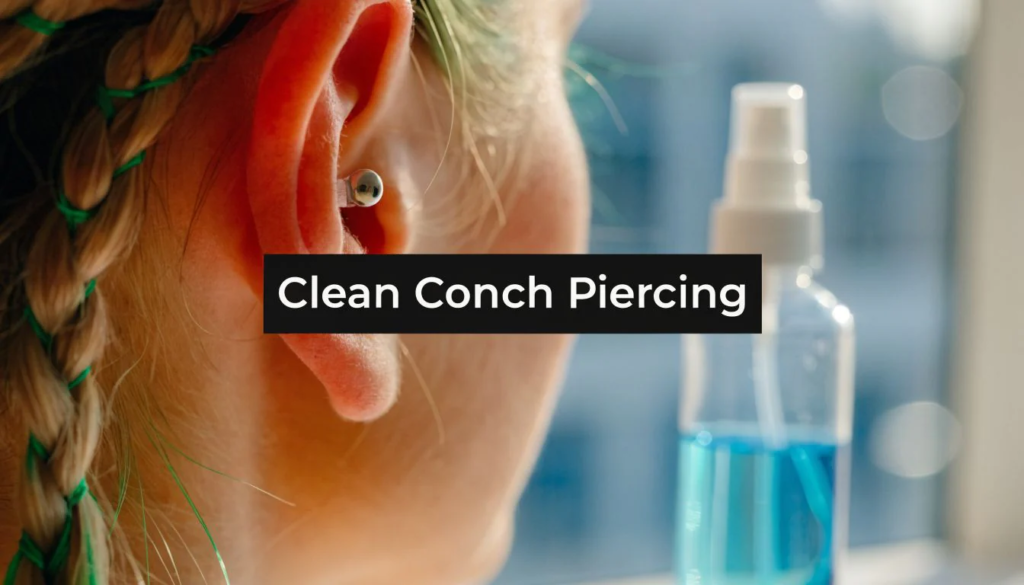
Proper aftercare is essential for preventing infection and ensuring smooth healing. Cleaning the piercing twice daily with a sterile saline solution helps remove bacteria and debris. It is important to avoid harsh chemicals or alcohol-based products.
Touching or twisting the jewelry should be avoided, as this can irritate the piercing and delay healing. Sleeping on the pierced side should also be minimized to prevent pressure and trauma.
Signs of infection include excessive redness, pus, or prolonged pain. If any of these symptoms occur, it is important to seek professional advice immediately.
Jewelry Options for Conch Piercing
Choosing the right jewelry plays a major role in both healing and style. Common options include studs, hoops, and captive bead rings. Studs are typically recommended during the initial healing phase due to their stability.
Materials such as titanium, surgical steel, and solid gold are preferred because they are hypoallergenic and safe for sensitive skin. Low-quality metals can cause irritation and slow down healing.
Once fully healed, individuals can experiment with different styles, including statement hoops or decorative designs. Jewelry selection allows for personal expression and creativity in ear styling.
Risks and Possible Complications
Like any body piercing, a conch piercing carries certain risks. Infection is the most common concern, usually caused by improper aftercare or unsterile procedures. Choosing a reputable piercing studio significantly reduces this risk.
Other potential complications include keloid formation, irritation bumps, and cartilage damage. These issues are often preventable with proper hygiene and careful handling during the healing process.
Being aware of these risks helps individuals make informed decisions and take necessary precautions.
Cost of Conch Piercing
The cost of a conch piercing varies depending on location, studio reputation, and jewelry quality. On average, it may range from affordable basic services to higher-end professional piercing experiences.
While cheaper options may seem attractive, investing in a professional piercer ensures safety and reduces the risk of complications. Quality jewelry also contributes to better healing outcomes.
Styling Ideas and Trends
Conch piercings are highly popular in modern ear styling trends. Many people incorporate them into curated ear designs, combining multiple piercings for a balanced aesthetic.
Minimalist studs offer a subtle look, while bold hoops create a statement effect. Influencers and celebrities often showcase creative combinations that inspire new styling ideas.
This versatility makes conch piercings a favorite choice for those who enjoy experimenting with fashion and personal expression.
Conclusion
A conch piercing is more than just a fashion statement—it is a form of self-expression that combines style, creativity, and individuality. Whether choosing an inner, outer, or double conch piercing, each option offers unique aesthetic possibilities.
With proper care, patience, and professional expertise, a conch piercing can heal successfully and become a long-lasting part of your personal style. Its growing popularity reflects a broader trend toward personalized body art and curated fashion.
FAQs About Conch Piercing
What is a conch piercing?
It is a cartilage piercing located in the middle part of the ear.
Does a conch piercing hurt?
It causes moderate pain due to cartilage thickness.
How long does healing take?
Typically 6 to 12 months.
What is the difference between inner and outer conch?
Inner is placed in the ear bowl, outer is closer to the edge.
Can I sleep on it?
Avoid sleeping on it during healing.
What jewelry is best?
Titanium or surgical steel studs are recommended initially.
How do I know if it’s infected?
Signs include redness, swelling, and discharge.
Is it safe for beginners?
Yes, if done by a professional piercer with proper aftercare.
You May Also Read: Chopping Board