

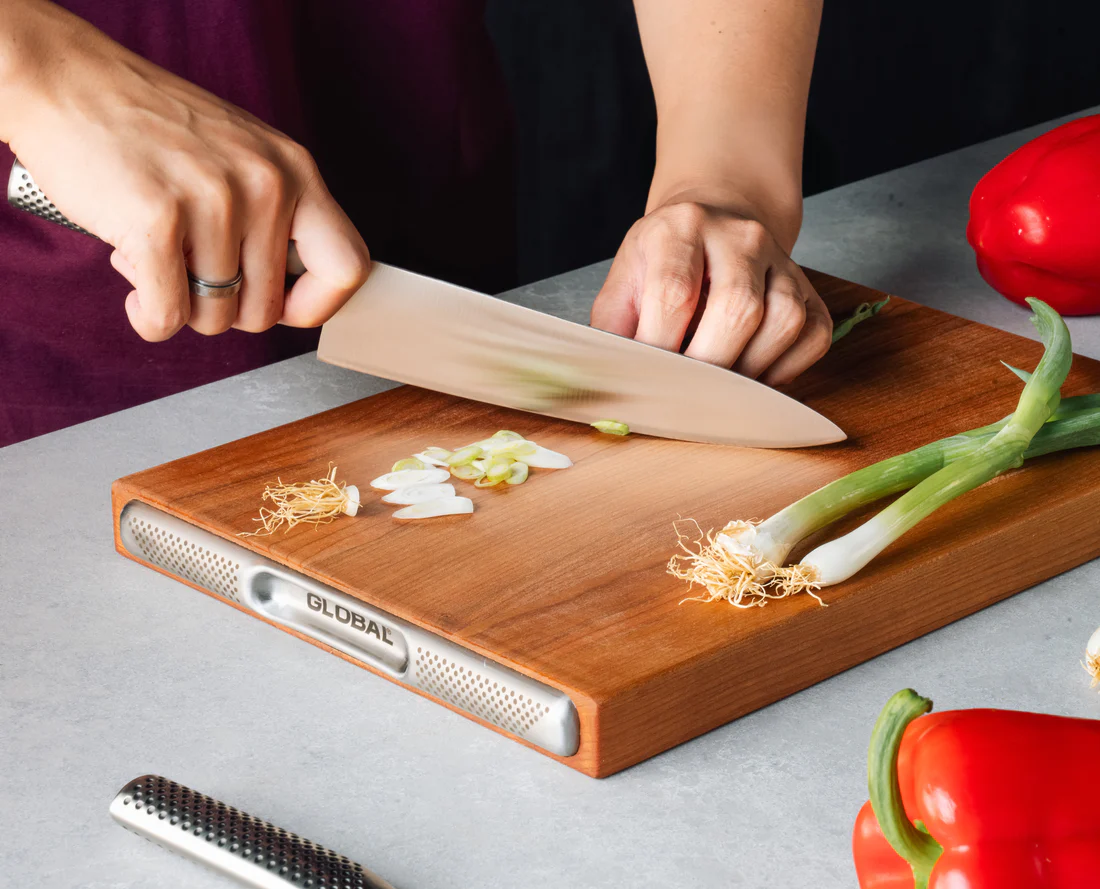
A chopping board is one of the most essential tools in any kitchen, whether at home or in a professional cooking environment. It provides a safe, stable surface for cutting, slicing, and preparing food while protecting countertops and maintaining hygiene. Although it may seem like a simple kitchen accessory, the choice of chopping board can significantly affect cooking efficiency, knife longevity, and even food safety.
In modern kitchens, chopping board are no longer just flat surfaces for cutting vegetables. They have evolved into specialized tools designed for different food types, materials, and cooking styles. From wooden boards that add a traditional aesthetic to modern plastic and bamboo options designed for hygiene and convenience, there is a wide variety available for every need.
Understanding the importance of a chopping’board helps improve both cooking experience and kitchen safety. This guide explores everything you need to know, including types, materials, hygiene practices, maintenance tips, and how to choose the right chopping board for your kitchen.
What is a Chopping Board?
A chopping board, also known as a cutting board, is a durable flat surface used for preparing food. It is designed to support cutting, slicing, chopping, and dicing ingredients safely without damaging kitchen countertops or dulling knives. This makes it an essential part of everyday cooking.
The primary purpose of a chopping’board is to provide a hygienic and stable workspace. It helps prevent cross-contamination between different food types and keeps raw ingredients separate from cooked food preparation areas. This is especially important when handling meat, vegetables, and seafood.
Over time, chopping boards have evolved from simple wooden slabs to advanced designs made from plastic, bamboo, glass, and composite materials. Each type offers unique benefits depending on cooking habits and kitchen requirements. Today, chopping’boards are considered not only functional tools but also an important part of kitchen hygiene and food safety systems.
Types of Chopping Boards
There are several types of chopping boards available, each designed for specific uses and preferences. Wooden chopping boards are among the most traditional and widely used. They are known for their durability, natural appearance, and knife-friendly surface. Hardwoods like maple and walnut are especially popular due to their strength and long lifespan.
Plastic chopping boards are another common choice, especially in modern kitchens. They are lightweight, affordable, and often color-coded to prevent cross-contamination. For example, red boards may be used for raw meat while green boards are used for vegetables, improving kitchen hygiene.
Bamboo chopping’boards have gained popularity as an eco-friendly alternative. They are sustainable, strong, and resistant to moisture. However, they can be slightly harder on knives compared to traditional wood.
Glass chopping boards are less common for food preparation but are often used for serving or decoration. They are non-porous and easy to clean but can dull knives quickly. Composite and resin boards represent modern innovation, offering durability, heat resistance, and stylish designs suitable for both home and professional kitchens.
Best Materials for Chopping Boards
The material of a chopping board plays a crucial role in its performance and usability. Wooden boards, especially those made from hardwoods like maple, oak, or walnut, are highly valued for their durability and knife-friendly surface. They also have natural antibacterial properties when properly maintained.
Plastic chopping’boards, made from polyethylene or polypropylene, are widely used due to their affordability and hygiene benefits. They are dishwasher-safe and easy to sanitize, making them ideal for handling raw meats and high-risk foods. However, they can develop deep knife grooves over time.
Bamboo is a sustainable material that offers a balance between durability and eco-friendliness. It is harder than most woods, which makes it long-lasting but slightly less gentle on knives.
Glass and stone chopping boards are non-porous and extremely easy to clean, but they are not ideal for cutting due to their hard surface. They are often used for presentation or serving purposes rather than daily food preparation.
How to Choose the Best Chopping Board
Choosing the right chopping board depends on several factors, including the type of food you prepare and your cooking habits. For example, separate boards should be used for meat, vegetables, and fruits to avoid cross-contamination. This is a basic but essential food safety practice.
Kitchen usage also matters. Home cooks may prefer versatile boards that are easy to clean and store, while professional chefs often use multiple boards for different tasks. Hygiene needs are another important consideration, especially in environments where raw food is frequently handled.
Durability and maintenance requirements should also influence your decision. Wooden boards require regular oiling to maintain their condition, while plastic boards are easier to clean but may need replacement more frequently. Budget is another factor, as chopping’boards are available in both affordable and premium categories.
Chopping Board Hygiene and Safety
Maintaining proper hygiene with chopping boards is essential for preventing foodborne illnesses. One of the most important rules is to avoid cross-contamination by using separate boards for raw meat, cooked food, and vegetables. This helps reduce the risk of harmful bacteria spreading between ingredients.
Cleaning methods vary depending on the material. Plastic boards can often be washed in a dishwasher, while wooden boards should be cleaned with warm soapy water and dried immediately to prevent warping. Regular sanitization is also recommended, especially after handling raw meat or fish.
Over time, chopping’boards can develop knife grooves where bacteria may accumulate. This is why regular inspection and proper maintenance are important. Safe food handling practices, such as washing hands and keeping boards dry, further improve kitchen hygiene.
Maintenance and Care Tips
Proper maintenance extends the lifespan of a chopping’board significantly. Wooden boards should be treated with food-grade mineral oil to prevent cracking and drying. This helps maintain their smooth surface and natural antibacterial properties.
Plastic boards require deep cleaning to remove stains and odors, especially after cutting strong-smelling foods like garlic or onions. Avoid using abrasive materials that can damage the surface.
All chopping boards should be stored in a dry and well-ventilated area to prevent moisture buildup, which can lead to mold or bacteria growth. Rotating between multiple boards also helps reduce wear and tear.
Common Mistakes When Using Chopping Boards
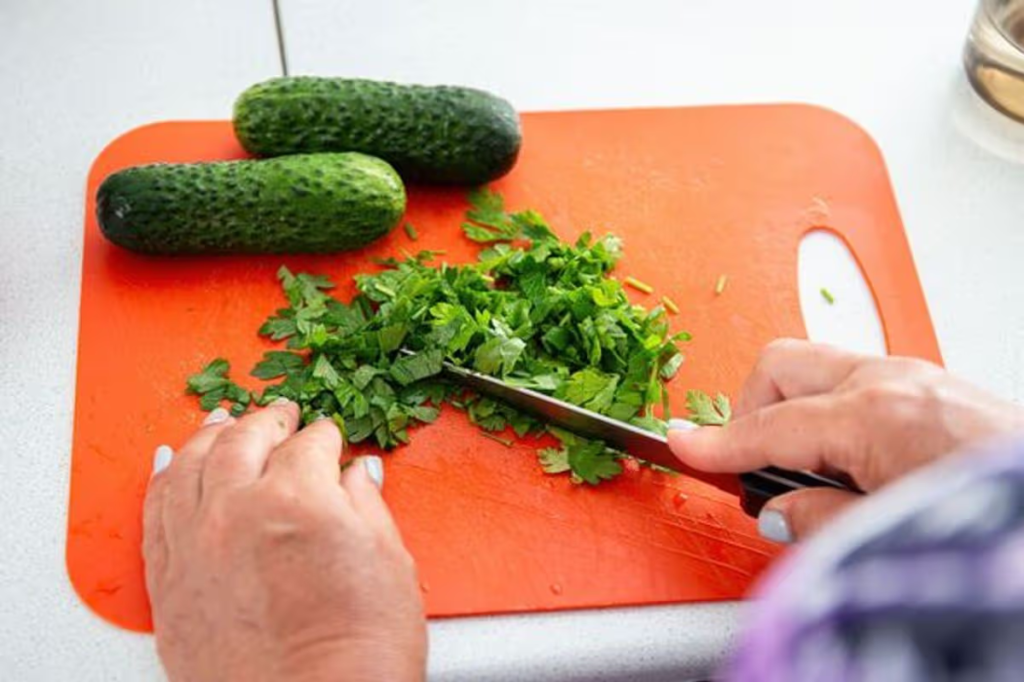
One of the most common mistakes is using a single chopping board for all types of food. This increases the risk of cross-contamination and can lead to food safety issues. Another mistake is not replacing old chopping boards that have deep cuts and scratches.
Improper cleaning techniques, such as leaving boards wet or not sanitizing them regularly, can also lead to hygiene problems. Additionally, using inappropriate knives or excessive force can damage both the board and the blade, reducing their lifespan.
Modern Trends in Chopping Boards (2026)
Modern chopping boards are becoming more innovative and eco-friendly. Many manufacturers now use sustainable materials like bamboo and recycled composites. These options appeal to environmentally conscious consumers.
Multi-function chopping’boards are also trending, featuring built-in containers, juice grooves, and measurement markings. Some advanced designs even include antibacterial coatings to improve hygiene.
Smart kitchen integration is another emerging trend, where chopping’boards are designed to work seamlessly with modern kitchen tools and cooking workflows.
Conclusion
A chopping board may seem like a simple kitchen item, but it plays a vital role in food preparation, hygiene, and safety. Choosing the right chopping board can improve cooking efficiency, protect your knives, and ensure better food hygiene.
Whether you prefer wood, plastic, bamboo, or modern composite materials, the key is to select a board that fits your cooking style and maintenance preferences. Investing in a high-quality chopping board is a small decision that makes a big difference in everyday cooking.
FAQs About Chopping Board
What is the best material for a chopping board?
Hardwood and high-quality plastic are among the best options.
Are wooden chopping boards hygienic?
Yes, if properly cleaned and maintained.
Which chopping board is best for meat?
Plastic boards are commonly recommended for raw meat.
How often should I replace a chopping board?
When it shows deep grooves or damage.
Can plastic boards go in the dishwasher?
Yes, most plastic boards are dishwasher-safe.
Why do chefs prefer wooden boards?
They are durable and gentle on knives.
Do glass boards damage knives?
Yes, they can quickly dull knife edges.
How do I remove odors from a board?
Use baking soda and lemon for cleaning.
Is bamboo better than wood?
It depends—bamboo is eco-friendly but harder on knives.
How can I prevent cross-contamination?
Use separate boards for different food types.
You May Also Read: Is Bicarbonate of Soda the Same as Baking Soda