

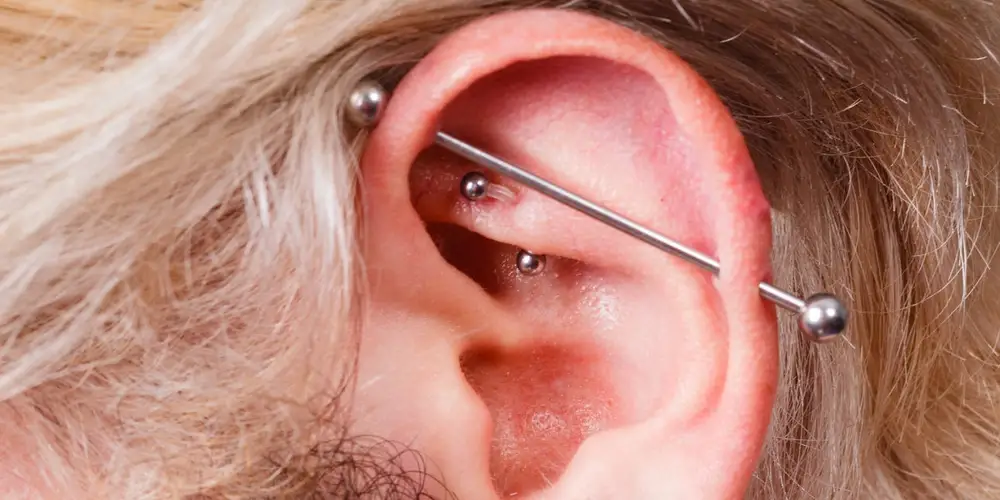
Rook piercing is one of the most stylish and distinctive forms of ear cartilage piercing, gaining popularity among body art enthusiasts who want something subtle yet unique. Positioned in the inner ridge of the upper ear, the rook area creates a naturally tucked-in aesthetic that stands out without being overly bold. This makes it a favorite choice for people who enjoy curated ear styling and modern piercing trends.
Unlike traditional lobe piercings, rook piercing requires a deeper understanding of ear anatomy and healing care because it involves cartilage rather than soft tissue. Cartilage piercings are known for their longer healing times and slightly higher sensitivity, which is why proper knowledge before getting one is essential. Despite this, many people choose rook piercing for its elegant and unconventional look.
This guide will walk you through everything you need to know about rook piercing, including the procedure, pain level, healing process, jewelry options, and aftercare practices. Whether you are considering your first cartilage piercing or adding to your existing ear stack, this article will help you make an informed and safe decision.
What is a Rook Piercing?
A rook piercing is a type of ear cartilage piercing that is placed on the inner ridge of the upper ear, specifically in the antihelix fold. This area sits between the inner conch and the outer helix, making it a more concealed and intricate piercing compared to more common ear piercings. Because of its location, it creates a visually appealing and unique accent that enhances the natural shape of the ear.
Rook piercings differ from other cartilage piercings such as helix, tragus, and daith piercings in both placement and healing experience. While helix piercings are located on the outer rim and daith piercings are deeper inside the ear, the rook sits in a tight fold that requires precision and skill during the piercing process. This is why it should always be performed by a professional piercer with experience in cartilage anatomy.
The popularity of rook piercings has increased significantly due to social media trends and celebrity influence. Many people are now opting for curated ear designs that combine multiple piercings in a balanced and aesthetic arrangement. The rook piercing plays an important role in these designs because of its subtle yet eye-catching placement.
Rook Piercing Procedure
The rook piercing procedure begins with a consultation where a professional piercer examines your ear anatomy to ensure suitability. Not every ear shape is ideal for a rook piercing, so this step is important for determining placement and safety. Once approved, the piercer cleans and sterilizes the area thoroughly to prevent infection.
Next, the piercer marks the exact spot where the needle will pass through the cartilage. Precision is critical because the rook area is small and curved. A hollow needle is then used to create the piercing in a quick motion, followed by the insertion of initial jewelry, usually a curved barbell designed to fit comfortably in the fold of the ear.
Pain levels for rook piercings vary from person to person, but most describe it as a sharp pinch followed by pressure. Since cartilage is harder than soft tissue, the sensation is generally more intense than lobe piercings but still manageable. Factors such as individual pain tolerance, ear anatomy, and piercer experience all influence the overall comfort of the procedure.
The cost of a rook piercing depends on location, studio reputation, and jewelry quality. While cheaper options may be tempting, it is always recommended to choose a reputable piercing studio. Proper technique and sterile equipment significantly reduce the risk of complications and ensure better healing outcomes.
Jewelry Options for Rook Piercing
Choosing the right jewelry is essential for both comfort and healing success. The most commonly recommended jewelry for rook piercings is the curved barbell. Its shape aligns naturally with the ear’s inner fold, reducing pressure and irritation during the healing process. This makes it the safest choice for initial piercing jewelry.
Other jewelry types, such as captive bead rings, may be used later once the piercing is fully healed. However, they are not typically recommended during the healing phase because they can move more freely and irritate the piercing site. After healing, individuals often switch to decorative jewelry for aesthetic purposes.
Material selection is equally important. Titanium is widely considered the best option due to its hypoallergenic properties and lightweight nature. Surgical stainless steel is also commonly used, while gold is a premium option suitable for healed piercings. Avoiding low-quality metals is crucial to prevent allergic reactions and infections.
When selecting jewelry, size and fit matter significantly. Jewelry that is too tight can cause pressure and swelling, while oversized pieces may lead to unnecessary movement and irritation. A professional piercer can help determine the correct size based on your ear structure and healing needs.
Rook Piercing Healing Process
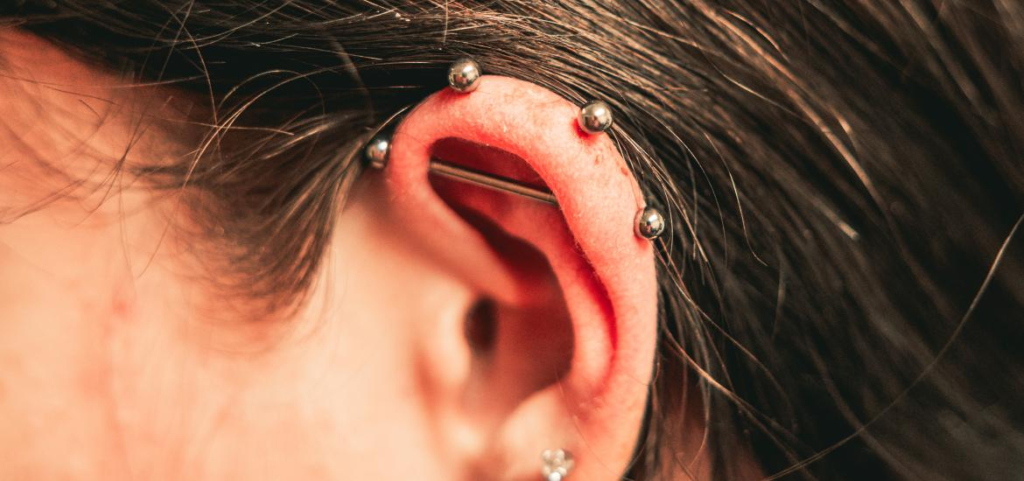
Healing a rook piercing requires patience, as cartilage piercings generally take longer to recover than earlobe piercings. On average, the healing period ranges from 6 to 12 months, depending on individual healing speed and aftercare consistency. During the early stages, mild swelling, redness, and tenderness are completely normal.
The healing process can be divided into stages. The initial stage involves inflammation and sensitivity, where the body begins to respond to the new piercing. The middle stage is marked by gradual stabilization, where discomfort decreases but the piercing is still fragile. The final stage is full healing, where the tissue fully adapts to the jewelry.
Signs of proper healing include reduced redness, minimal pain, and absence of unusual discharge. However, if symptoms such as persistent swelling, severe pain, or pus appear, it may indicate infection or irritation. Monitoring the piercing regularly helps ensure any issues are addressed early.
Aftercare Tips for Rook Piercing
Proper aftercare is essential for a successful rook piercing healing process. Cleaning the piercing twice a day with a sterile saline solution helps remove bacteria and debris without irritating the skin. It is important to avoid harsh chemicals like alcohol or hydrogen peroxide, as they can slow down healing.
There are several important do’s and don’ts to follow. Avoid sleeping on the pierced side, as pressure can cause irritation and prolong healing. Touching the piercing with unclean hands should also be avoided, as it introduces bacteria. Swimming in pools, hot tubs, or natural bodies of water should be avoided during early healing stages.
Common aftercare mistakes include over-cleaning, which can dry out the skin and delay healing, and changing jewelry too early. Many people also underestimate the importance of consistency in aftercare, which is key to preventing complications and ensuring smooth recovery.
Risks and Complications
Like any body modification, rook piercing comes with potential risks. Infection is one of the most common complications and usually occurs due to poor hygiene or improper aftercare. Swelling and irritation are also common during the early healing phase but should gradually improve over time.
More serious issues include migration or rejection, where the body pushes the jewelry outward. This can lead to scarring and may require removal of the piercing. Choosing a skilled piercer and following aftercare instructions significantly reduces these risks.
If severe symptoms such as intense pain, prolonged swelling, or unusual discharge occur, it is important to seek medical attention promptly. Early treatment can prevent further complications and ensure proper healing.
Conclusion
Rook piercing is a stylish and elegant form of ear modification that offers a unique aesthetic appeal. While it requires careful consideration due to its placement in cartilage, it remains a popular choice for those seeking a subtle yet distinctive look. Understanding the procedure, healing process, and aftercare requirements is essential for a safe experience.
By choosing a professional piercer and following proper aftercare routines, you can significantly reduce risks and enjoy a smooth healing journey. Patience and consistency are key, as cartilage piercings take time to fully heal.
Ultimately, rook piercing is more than just a fashion statement—it is a commitment to care, style, and individuality.
FAQs About Rook Piercing
How painful is a rook piercing?
It causes moderate pain, often described as a sharp pinch followed by pressure.
How long does a rook piercing take to heal?
Typically between 6 to 12 months.
What jewelry is best for rook piercings?
Curved barbells made of titanium are recommended.
Can I sleep on my rook piercing?
It is strongly advised to avoid sleeping on it during healing.
How do I clean a rook piercing properly?
Use sterile saline solution twice daily.
What are signs of infection in a rook piercing?
Redness, swelling, pain, and pus are warning signs.
Can I change my rook jewelry early?
No, wait until it is fully healed.
Does a rook piercing close if removed?
Yes, it can close if left without jewelry.
How much does a rook piercing cost?
It varies depending on studio and location.
Is rook piercing suitable for everyone?
No, ear anatomy and healing ability play a role.
You May Also Read: Weather Liverpool